- DIA announced the launch of Value, positioning as pricing infrastructure for institutional capital entering DeFi.
- The oracle computing intrinsic fair value targets over $100 billion in tokenized assets that lack liquid secondary markets.
- $19 billion in leveraged DeFi positions were liquidated on October 10, 2025, when oracles malfunctions compounded losses.
DIA announced the launch of its new oracle, Value, as a tool built specifically to eliminate oracle-based issues. As such, instead of depending on last-trade prices like traditional oracles, Value computes the asset’s innate fair value from its on-chain state, taking the NAV, proof of reserves, and redemption rates into account.
The news comes on the back of three oracle failures over the last six months, costing over $7 million in debt for Moonwell.
The most recent incident occurred on February 15, when a misconfigured Chainlink oracle reported cbETH at $1.12 instead of approximately $2,200. Liquidation bots immediately took action, seizing 1,096 cbETH (worth around $1.78 million).
$19B loss shows what happens when Oracles are tested
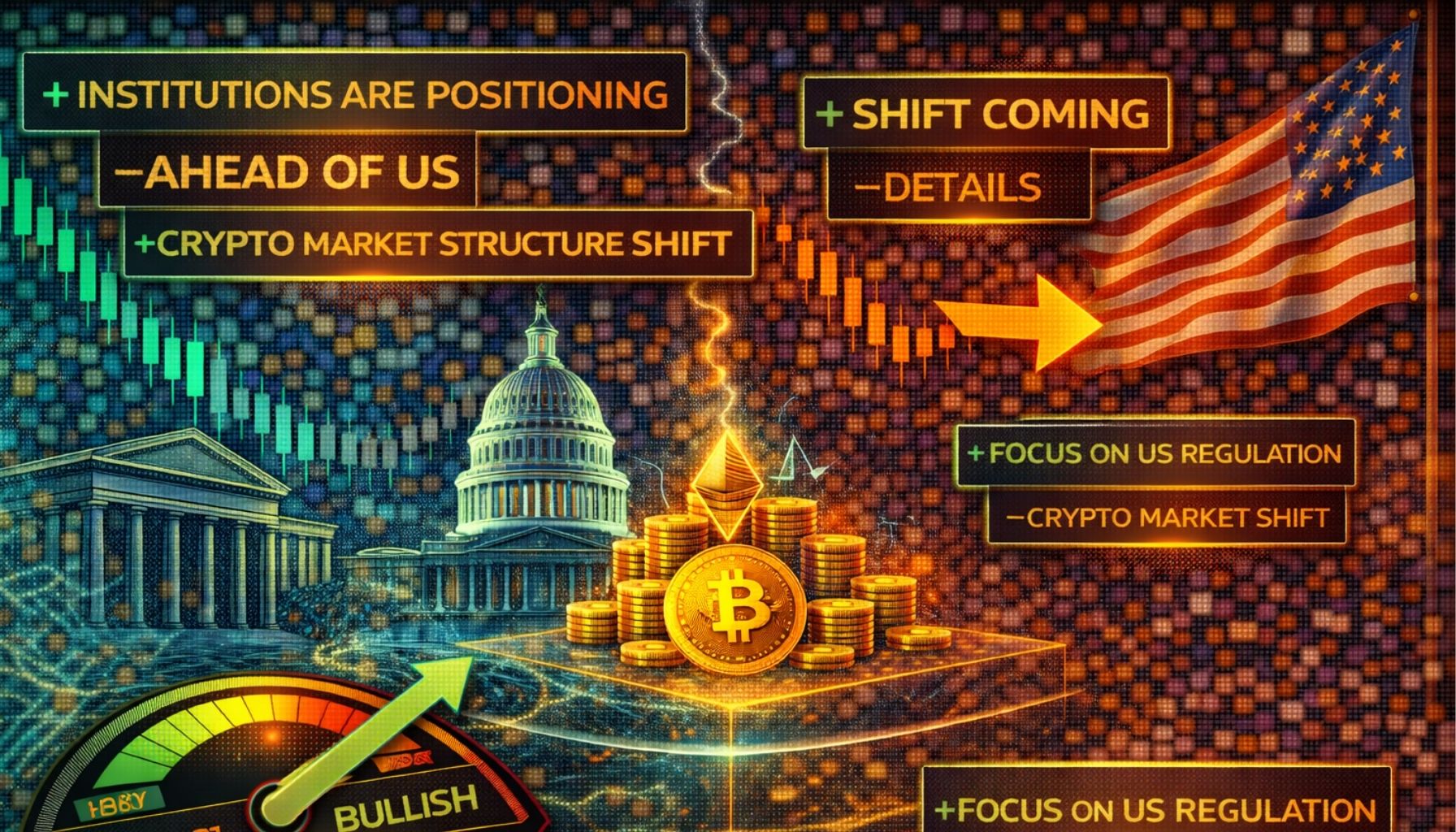
While the Moonwell incidents are concerning, they are relatively small incidents compared to the infamous October 10, 2025, crash. That day, over $19 billion in leveraged DeFi assets were liquidated in less than 24 hours, compounded by oracles sending false market data and causing automated liquidations across protocols.
The liquidation wave sent Bitcoin prices crashing from $122,000 to $106,560, Ethereum dropped to $3,551, and even Solana crashed to $174.
As DIA noted in its announcement, “For illiquid assets, this risk is structural. Thin order books invite manipulation, stale data misinforms risk models, and protocols are forced to either accept those risks or refuse to support the asset entirely.”
This created the need for a different approach. “Oracles were built to answer one question: how is the market valuing this asset?” said Dillon Hanson, Head of BizDev at DIA. “But when most institutional assets entering DeFi don’t trade on secondary markets, you need infrastructure that answers a different question: what is this asset fundamentally worth? That’s what Value does.”
Fair value will be gotten from on-chain state
DIA’s Value executes a range of valuation methodologies covering the full spectrum of illiquid digital assets. Each methodology improves its pricing accuracy by acquiring relevant data from the most direct, verifiable data source available, whether that’s an on-chain smart contract state, reserve balance, or reference data for off-chain assets.
When it comes to yield-bearing tokens, however, Value reads the redemption rate directly from the protocol’s smart contract and sets a price that the asset could actually be bought for. That way, there’s no need to source data from old prices from another market.
Value also works across different asset types, allowing protocols to safely accept illiquid collateral, verify stablecoin reserves in real-time, and price complex trades with yield-bearing tokens and fund shares.
Industry stakeholders have commented on the novelty of the Value oracle system.
The co-founder of Hemi Network, Jeff Garzik, commented: “Bitcoin sitting idle is a trillion-dollar opportunity cost. hemiBTC lets holders deploy BTC productively into DeFi, but that only works if the pricing layer can verify the actual Bitcoin backing each token on-chain. DIA Value does exactly that. No secondary market dependency, no centralized attestations. It’s the kind of infrastructure that makes Bitcoin-native DeFi viable: fully trustless and verifiable.”
Zygis Marazas, the Head of Product at DIA, also mentioned that “traditional finance solved illiquid asset pricing decades ago with NAV calculations, mark-to-model frameworks, and reserve verification. Blockchain makes it possible to execute those same methodologies with full transparency and 24/7 availability.”
$940B asset manager Apollo enters oracle-agnostic lending
Value is already handling fair value pricing for projects like Euler, Morpho, Silo, and Hydration, alongside integrations across lending, stablecoin reserve verification, and tokenized securities.
Apollo announced in February that it was acquiring up to 90 million MORPHO tokens, about 9% of total supply, over the next 48 months. The deal is part of the firm’s integration of Morpho’s on-chain lending infrastructure as a bridge to tokenized real-world asset lending.
Apollo oversees roughly $940 billion in assets. The firm’s main business revolves around private credit and real estate finance, which are the same kind of illiquid institutional assets without secondary markets, tipped to get a boost from DIA Value.



Read More