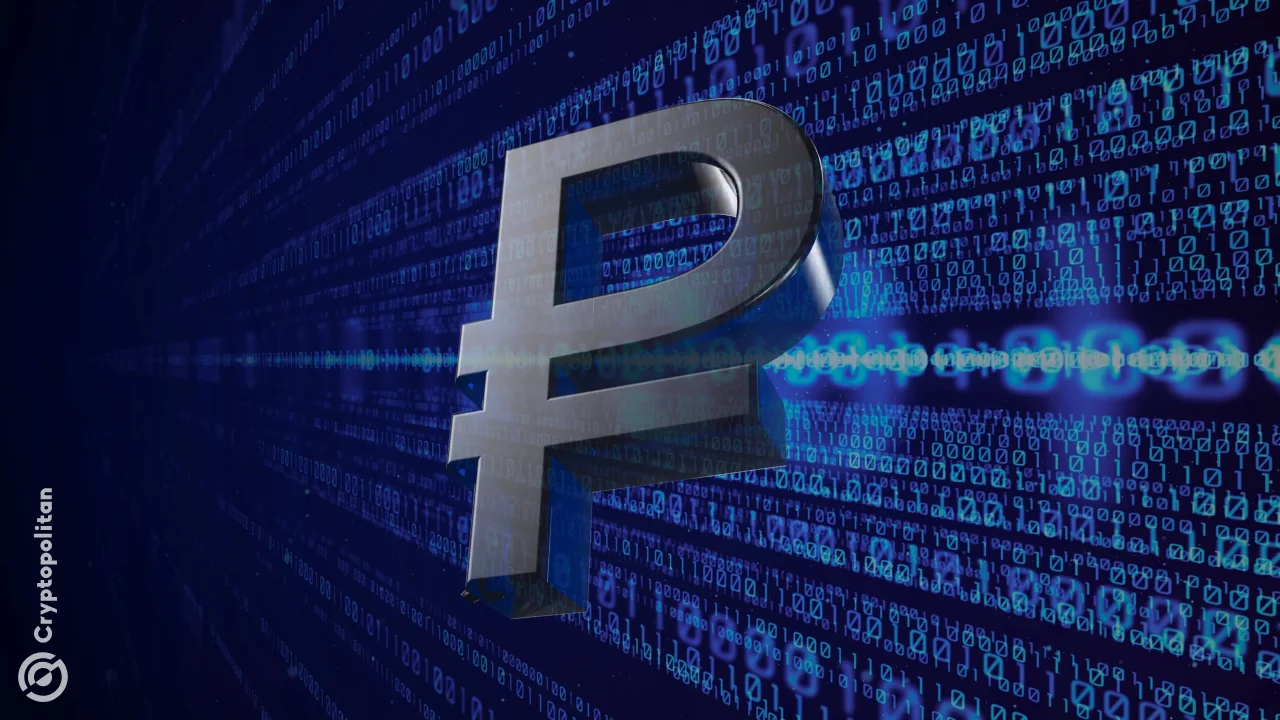


The Russian ruble-pegged stablecoin A7A5 is now one of the three leading tokens in terms of daily transfers on the Tron blockchain.
The cryptocurrency, which has been targeted in Western sanctions over Ukraine, overtook USDD but remains far behind the dollar-backed USDT.
A7A5 climbs to top among Tron coins by transaction volume
The Russian ruble-denominated stablecoin A7A5 is already one of the digital tokens with the largest transaction volumes on the Tron network.
The controversial crypto entered the top three of the network according to data provided by the Tronscan analytics portal and quoted by Russian crypto media.
According to the blockchain explorer, A7A5 is now approaching $175 million in daily transfers, and its market capitalization is over $486 million.
The latest figures put the coin ahead of Decentralized USD (USDD), which processed a little over $153 million in transactions on Wednesday.
However, the Russian fiat-backed cryptocurrency remains a distant second behind the most popular stablecoin, the U.S. dollar-pegged Tether (USDT).
Ruble stablecoin registers remarkable growth
A7A5 was launched in early 2025, amid crippling sanctions that severely limited Russian access to traditional financial channels and global markets.
It was presented as an alternative instrument enabling the circumvention of financial restrictions imposed by the West over Moscow’s invasion of Ukraine.
In less than a year, it processed transactions worth more than $100 billion, as per data compiled by the blockchain forensics firm Elliptic.
Besides Tron, it’s available on the Ethereum blockchain as well. According to DeFiLlama, A7A5 has more than 39 billion tokens in circulation.
The token, which accounts for nearly half of the global non-dollar stablecoin market, has been listed on both centralized and decentralized exchanges.
In September, the Central Bank of Russia recognized the crypto as a digital financial asset (DFA) under Russian law, opening the legal door for its use in international settlements.
A7A5 facilitates Russian sanctions evasion
The stablecoin was reportedly created by the Russian company A7. The latter is majority-owned by Ilan Shor, a fugitive Moldovan oligarch and Russian citizen.
At the same time, it’s issued by the Kyrgyzstan-registered firm Old Vector. Its team claims the project is currently “fully independent.”
Both firms, as well as other entities linked to A7A5, have been hit with sanctions. The list includes Grinex, the Kyrgyz-based successor of the busted Russian crypto exchange Garantex.
The token is supposedly backed by ruble deposits at the PSB, formerly Promsvyazbank, which is a sanctioned state-owned Russian bank.
A7A5 is pegged one-to-one to the Russian national currency, and its transactions are processed by the Tokeon digital asset platform, which is part of the PSB Group.
Western analysts admit the stablecoin has become an effective tool for cross-border payments and bypassing restrictions, the crypto page of the Russian business news portal RBC noted in a report.
Allies of Ukraine have been trying to block Moscow’s attempts to use cryptocurrencies, including the largest stablecoin Tether, in trade with partners and to fund its military effort in the neighboring nation.
While preparing to comprehensively regulate activities related to cryptocurrencies, such as investment and trading, Russia is betting on stablecoins for payments, as recently reported by Cryptopolitan.
Meanwhile, Kyrgyzstan’s crypto market has been growing, and the former Soviet republic launched a dollar-pegged stablecoin called USDKG, which is allegedly backed by gold reserves.
Kyrgyz financial institutions and digital-asset platforms have also found themselves on the receiving end of sanctions imposed by the EU, the U.K., and the U.S.
In November, the National Bank of Kyrgyzstan authorized commercial banks to open escrow accounts for operations involving cryptocurrencies.
The smartest crypto minds already read our newsletter. Want in? Join them.


Read More