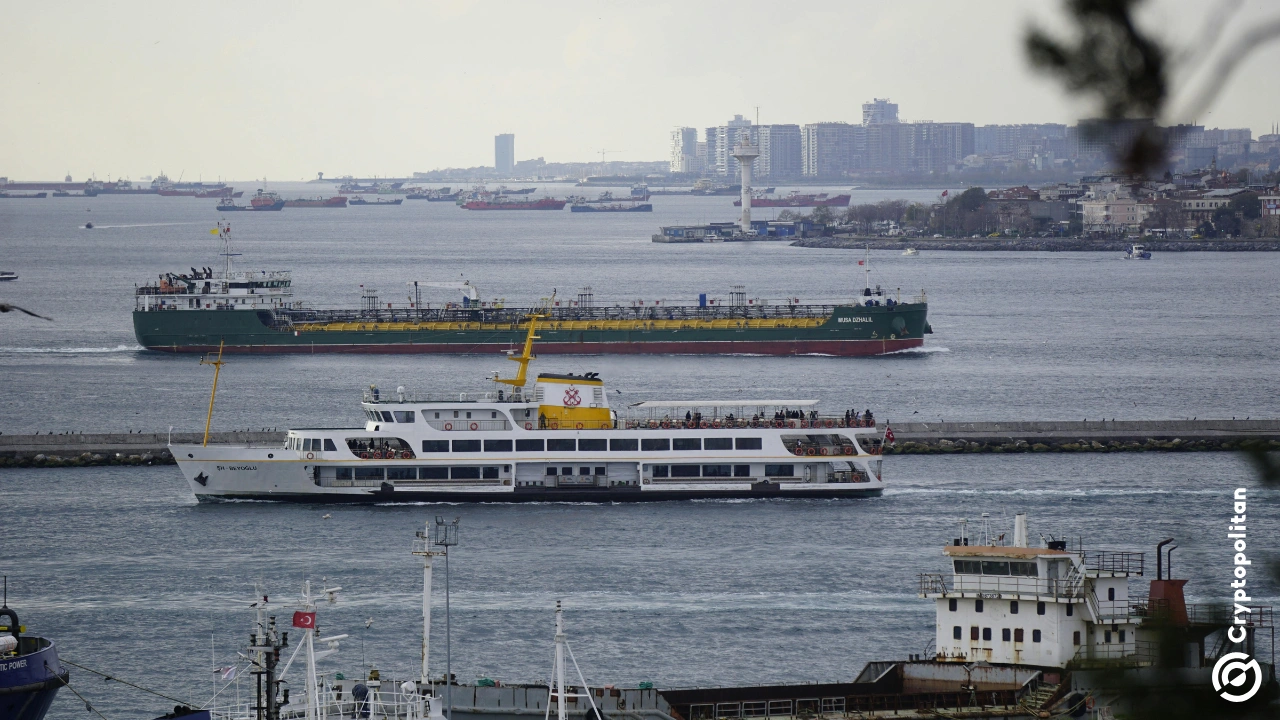


Washington is essentially left to operate one of the most important oil lines in the world while other countries prioritize their own energy needs.
When President Donald Trump asked allies to send warships to the Strait of Hormuz, he anticipated compliance. But they didn’t. Trump cited other countries as contributing ships to the project on his Truth Social platform, including China, France, Japan, South Korea, and the United Kingdom. In a direct reply, Iran’s Revolutionary Guard said, “Let him send his ships.”
Since fighting broke out on February 28, Iran’s blockage of the strait in direct response to US-Israel strikes sent crude oil prices to around $100 a barrel. At least 10 tankers have been hit or targeted, and roughly 1,000 oil ships are now stuck waiting.
Allies decline naval deployment to the Strait of Hormuz
Trump has pushed for what the White House refers to as a “Coalition of the Willing,” but partners have not responded favorably. Australia, Japan, and the United Kingdom have all declined to join any naval force. Instead, they are moving towards conversations and drones instead of warships.
The French president, Emmanuel Macron, distinguished between offense and defense. He described the strikes as “unacceptable,” admitted to speaking with Iranian President Massoud Pezeshkian, and explained that France was acting “within a strictly defensive framework aimed at protecting its interests.” He issued a warning that the fighting is “plunging the entire region into chaos” and demanded a new security and political accord to reinstate secure travel.
UK Prime Minister Keir Starmer told Trump directly in a weekend phone call that Britain would not be sending Royal Navy destroyers to the strait. Japan’s Foreign Ministry told national broadcaster NHK that the country makes its own calls, saying “independent judgment is the basic principle.”
Australia’s transport minister, Catherine King, told ABC that Canberra would not be sending ships either. Germany’s foreign minister, Johann Wadephul, also pushed back, asking, “Will we soon be an active part of this conflict? No.”
Countries cut their own deals with Tehran
Despite traditional partners distancing themselves, India is maintaining its $51 billion trade relationship with Tehran. Foreign Minister S. Jaishankar confirmed that direct negotiations recently secured safe passage for two Indian gas tankers through the Strait of Hormuz.
Iran continues to be a vital strategic ally for New Delhi as its principal oil source. Countries in Europe are heading down the same path. According to reports, France and Italy are securing their energy supplies from Iran through back channels. Last week, Turkey went one step further and negotiated directly with Iran to allow one of its ships to pass through.
Iran is only targeting shipments associated with nations that support the United States and Israel, noted Barbara Slavin, a distinguished fellow at the Stimson Center. China, she continued, is unlikely to provide naval assistance because Iranian oil “is flowing to China quite nicely.”
According to analysts, the animosity between allies extends beyond this particular disagreement. There is scant desire for a military commitment among nations already hurt by the tariff measures of the Trump administration.
The Council on Foreign Relations’ Edward Fishman pointed out that before taking military action against Iran, Washington did not engage its allies in Europe or Asia, leaving them unsure of what, if anything, they would receive in exchange for participating.
The rejection did not go unnoticed by Trump. He asked why the United States should be in charge of maintaining a path that mostly serves the interests of others. “Why are we maintaining the Hormuz Strait when it’s really there for China and many other countries?” he said. In addition, he warned, saying, “Whether we get support or not… we will remember.”
The breakup of the alliance points to a more serious problem. These days, countries appear more willing to protect their own economies by cutting independent accords than to join Washington in a conflict with unclear stakes and significant risks.
Get seen where it counts. Advertise in Cryptopolitan Research and reach crypto’s sharpest investors and builders.


Read More