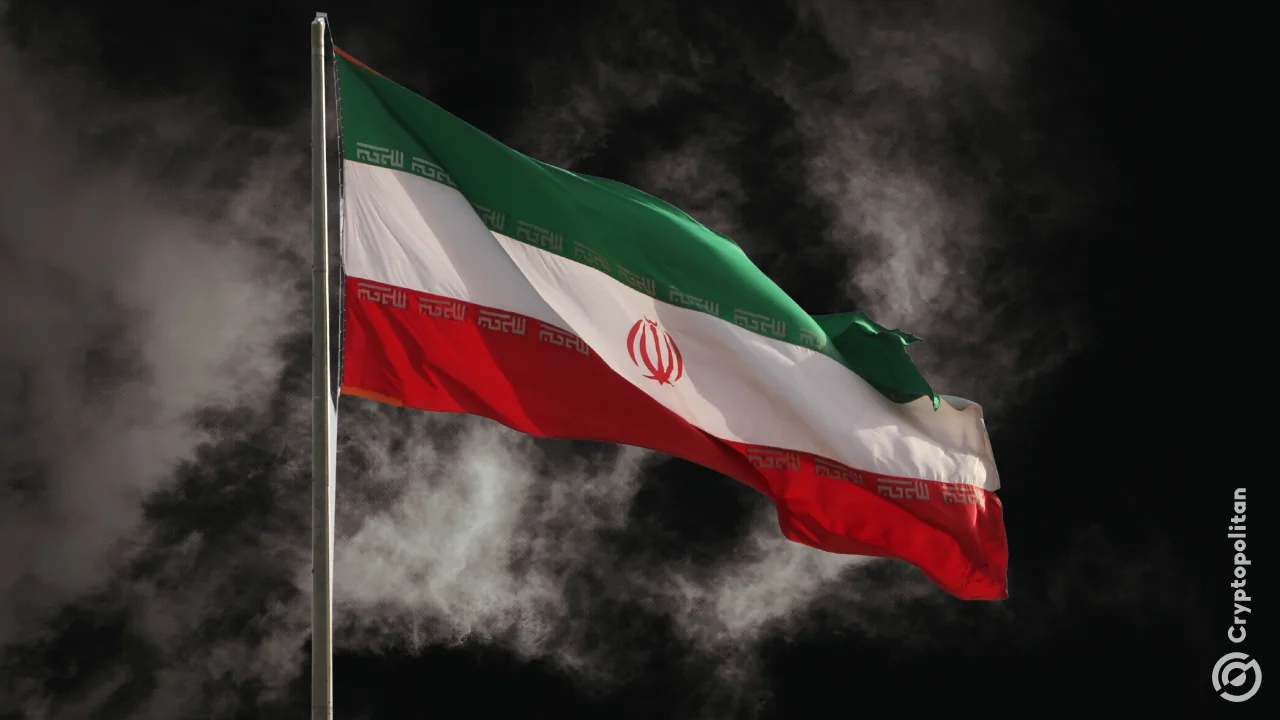


Iran moved back into full control of the Strait of Hormuz on Sunday while still considering closing of the negotiations open with the Trump administration.
Tehran denied it would join a new round of peace talks with the United States, according to state news agency IRNA, just hours after Donald Trump said Iranian negotiators would go to Pakistan on Monday for a second round.
IRNA did not name a source, but it laid out Tehran’s case. The outlet said Iran blamed Washington’s excessive demands, unrealistic expectations, constant changes in position, repeated contradictions, and the naval blockade it says broke the ceasefire.
IRNA wrote, “Under these conditions, the outlook for constructive talks remains bleak.” Tehran also made clear that it wants the U.S. blockade on Iranian ports lifted before any return to talks.
Iran backs out of talks as the U.S. seizes TOUSKA in the Gulf of Oman
The freeze in diplomacy came as Trump described a clash at sea. In a Truth Social post, he said an Iranian-flagged cargo ship called the TOUSKA tried to pass the American naval blockade in the Gulf of Oman.
Trump said the ship was nearly 900 feet long and weighed almost as much as an aircraft carrier. He said the guided missile destroyer USS Spruance intercepted it and warned it to stop. According to Trump, the crew refused, the Navy fired into the engine room, and U.S. Marines then took custody of the vessel.
Trump said the USS Spruance gave the ship fair warning, then blasted a hole in the engine room after the crew did not listen.
He also said the TOUSKA is under U.S. Treasury sanctions because of what he called a prior history of illegal activity, and that the United States now has full custody of the vessel and is inspecting what is on board.
That seizure came as Iran stepped away from the second round of talks. Tehran said the blockade of ships entering and leaving Iranian ports was one reason it would not attend.
Iranian President Masoud Pezeshkian also pushed back on Trump’s nuclear line, saying Trump has “no justification to deprive Iran of its nuclear rights.” That came only 48 hours after Trump said Iran had agreed to give up uranium enrichment and all “nuclear dust.”
Tehran rejected that too, saying that Trump’s “maximalism and unreasonable and unrealistic demands” caused the collapse in talks. Iranian officials also said they believed they were “facing deception” before a possible “surprise attack” from the United States, making clear that Tehran does not think Washington is negotiating in good faith.
Oil rises and U.S. gas stays high as war pressure hits energy markets
Meanwhile, West Texas Intermediate futures for May delivery surged by about 6% to $88.93 a barrel by press time. Brent crude for June delivery gained nearly 5.63% to $95.48.
Energy Secretary Chris Wright had said on Sunday that U.S. gas prices may not fall below $3 a gallon until next year as the war with Iran and the closure of the strait keep hitting energy markets. On CNN’s State of the Union, Chris said:
“I don’t know, that could happen later this year, that might not happen until next year, but prices have likely peaked. Certainly with a resolution of this conflict, energy prices will go down. Under $3 a gallon is pretty tremendous in inflation-adjusted terms. We had that in the Trump administration, but we hadn’t seen that in inflation-adjusted terms for quite a long time. We’ll get back there for sure.”
Regular unleaded in the United States averaged $2.90 a gallon on Feb. 1, according to GasBuddy. Since the war began on Feb. 28, the average has climbed to about $4.04 a gallon, according to AAA.
The smartest crypto minds already read our newsletter. Want in? Join them.




Read More