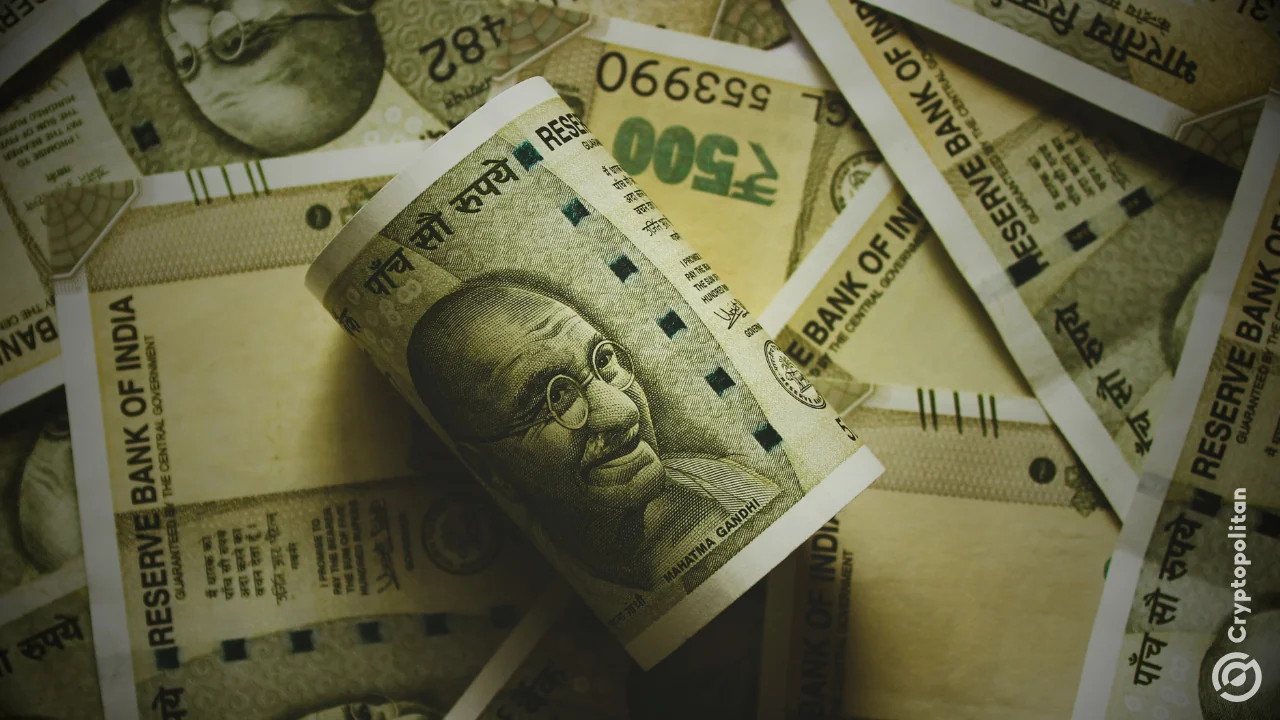


India and New Zealand signed an historic free trade deal this Monday to expand market access and strengthen economic ties between the two countries. This deal comes as India seeks to accelerate efforts to modernize its domestic economy through a massive digital infrastructure growth push.
India is at a once-in-a-generation inflection point. The global economic power structure is undergoing a major transformation, and the South Asian country is quickly becoming the center of it. As geopolitical uncertainty mounts under the circumstances of the Iran War, more countries than ever appear to be rushing into economic partnerships with India.
Last Monday, India and South Korea announced a significant upgrade to their bilateral trade agreement, and this Monday, the Indian government announced a free trade agreement with New Zealand. This deal comes after 9 months of negotiations and includes a 15-year commitment from New Zealand’s government to invest $20 billion USD in India. It serves New Zealand by decreasing their trade reliance on China.
As India quickly moves to boost external economic growth, efforts to further the country’s internal growth engine are also blossoming. A large piece of this includes India’s upgraded digital public infrastructure strategy, or “DPI,” as policymakers have titled it. NITI Aayog, which is essentially India’s central policy think tank, recently announced a two-phase strategy for DPI over the next decade. This new outline serves the purpose of assisting India in becoming a $30 trillion economy by 2047.
India’s Digital Public Infrastructure (DPI) expansion
NITI Aaayog released a new report titled “DPI 2047: The Roadmap to Prosperity.” This new two-phased roadmap for India’s digital public infrastructure outlines the next phase of growth (known as DPI 2.0, DPI 3.0) after the first phase (DPI 1.0) laid down foundational systems. DPI 1.0 was successful in creating a verifiable digital ID for over 1 billion Indian citizens, expanding financial access and opportunity for the country’s massive population.
DPI 2.0, which is focused on the next decade leading up to 2035, aims to transition this foundational infrastructure into a digital ecosystem that creates widespread, inclusive, socio-economic growth. It will focus on implementing interoperable systems across industries like healthcare, finance, employment, agriculture, and commerce by leveraging technology.
DPI 3.0 will focus on fostering innovation and further growth within the new economy created through the success of DPI 2.0. It is less defined as of now, but is focused on the decade between 2035 and 2047, and generally aims to position India as a global exporter of digital infrastructure systems and frameworks.
India’s external & internal growth serving Viksit Bharat 2047
The expansion of India’s digital public infrastructure is just one component of Viksit Bharat 2047, India’s vision of transforming the country into a developed economy by 2047. The dual-track external and internal growth that we are seeing today is all in service of this extensive, long-term initiative. By strengthening the country’s domestic capacity, India is simultaneously attracting newfound levels of foreign investment, positioning itself as an increasingly central player in global trade. The new trade deal with New Zealand is just another benchmark in India’s aggressive (and attractive) push for foreign investment in its blossoming economy.
Still letting the bank keep the best part? Watch our free video on being your own bank.




Read More