

Crypto adoption is often measured through market prices, exchange volume, and institutional interest. Those signals matter, but they do not show the whole story. One of the clearest signs of practical adoption is how people use digital assets inside everyday online platforms. Online gaming is becoming one of those testing grounds.
For users, the appeal is not only about novelty. Crypto payments can make deposits faster, improve access for users who already hold digital assets, and give platforms new ways to explain transaction history. At the same time, the category comes with real risks. Gaming can involve financial loss, crypto transactions can be irreversible, and platform rules can vary widely.
That is why the next stage of crypto gaming will likely be judged less by hype and more by payment clarity, security, transparency, and responsible product design.
Why Payments Became Part of the Product
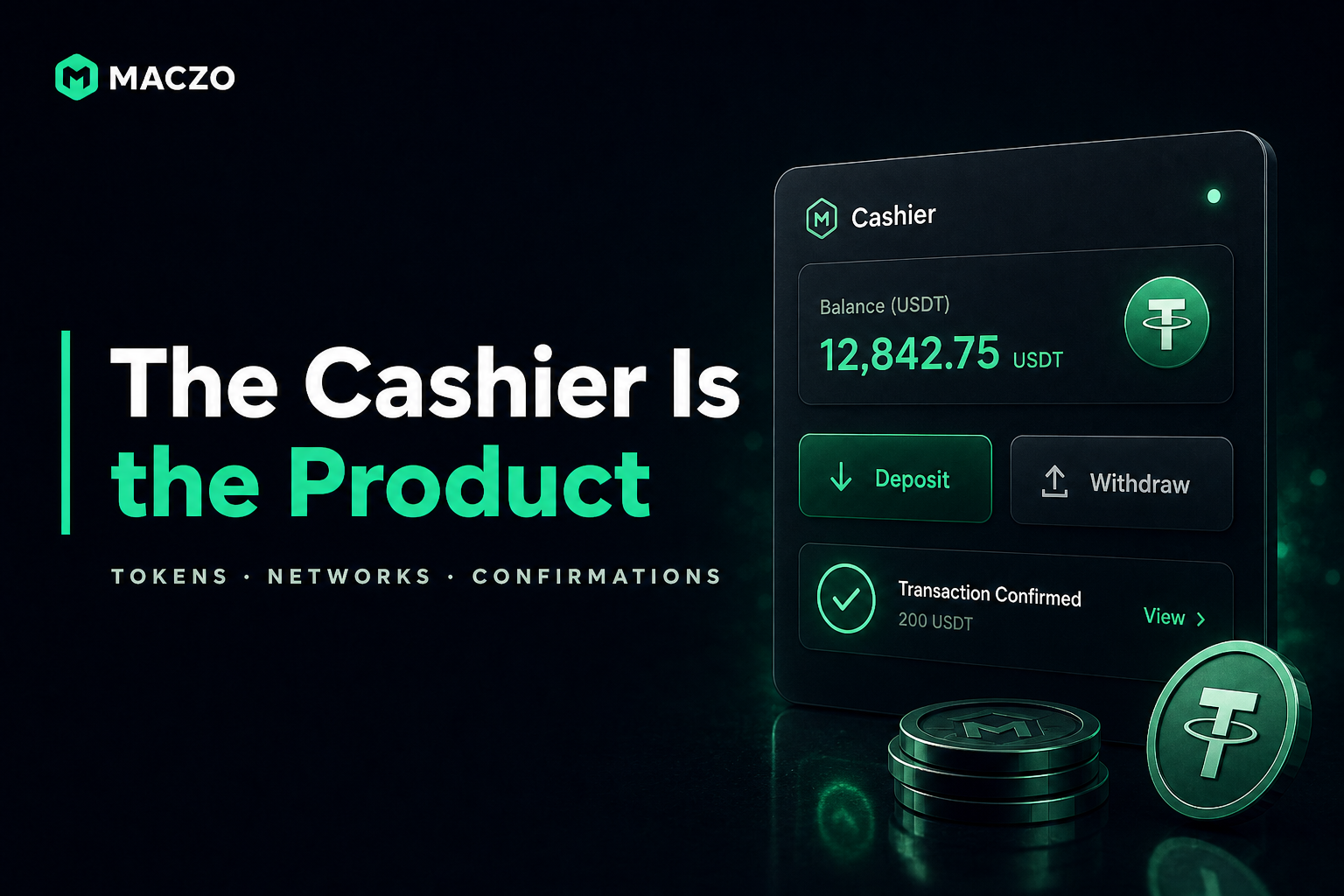
In traditional online gaming, payments often sit behind the main experience. A user signs up, adds a card or bank method, and treats the payment step as a utility. Crypto changes that relationship because users must think about tokens, networks, wallet addresses, confirmation times, fees, and withdrawal rules.
This makes the cashier page a core part of the product. If a platform supports USDT, BTC, ETH, or other assets, users need to know exactly which networks are accepted and what limits apply. A simple mistake, such as sending a token on the wrong chain, may lead to permanent loss.
For crypto-native users, payment clarity is a trust signal. They are used to checking wallet balances, transaction hashes, and network confirmations. A platform that explains these steps clearly can feel more reliable than one that hides important details inside long terms.
The Stablecoin Factor
Stablecoins have become especially important in crypto gaming because they reduce the need to think about price volatility. A user who deposits a dollar-linked stablecoin can understand their balance more easily than if they use a token that changes value sharply throughout the day.
That does not mean stablecoins remove risk. Users still need to understand network selection, platform fees, bonus rules, withdrawal limits, and local regulations. However, stablecoins can make the payment experience more familiar for people who want to use crypto without turning every session into a price-tracking exercise.
From a platform perspective, stablecoins can also simplify international payment flows. The challenge is making those flows easy to understand for both beginners and experienced crypto users.
Transparency Beyond Payments
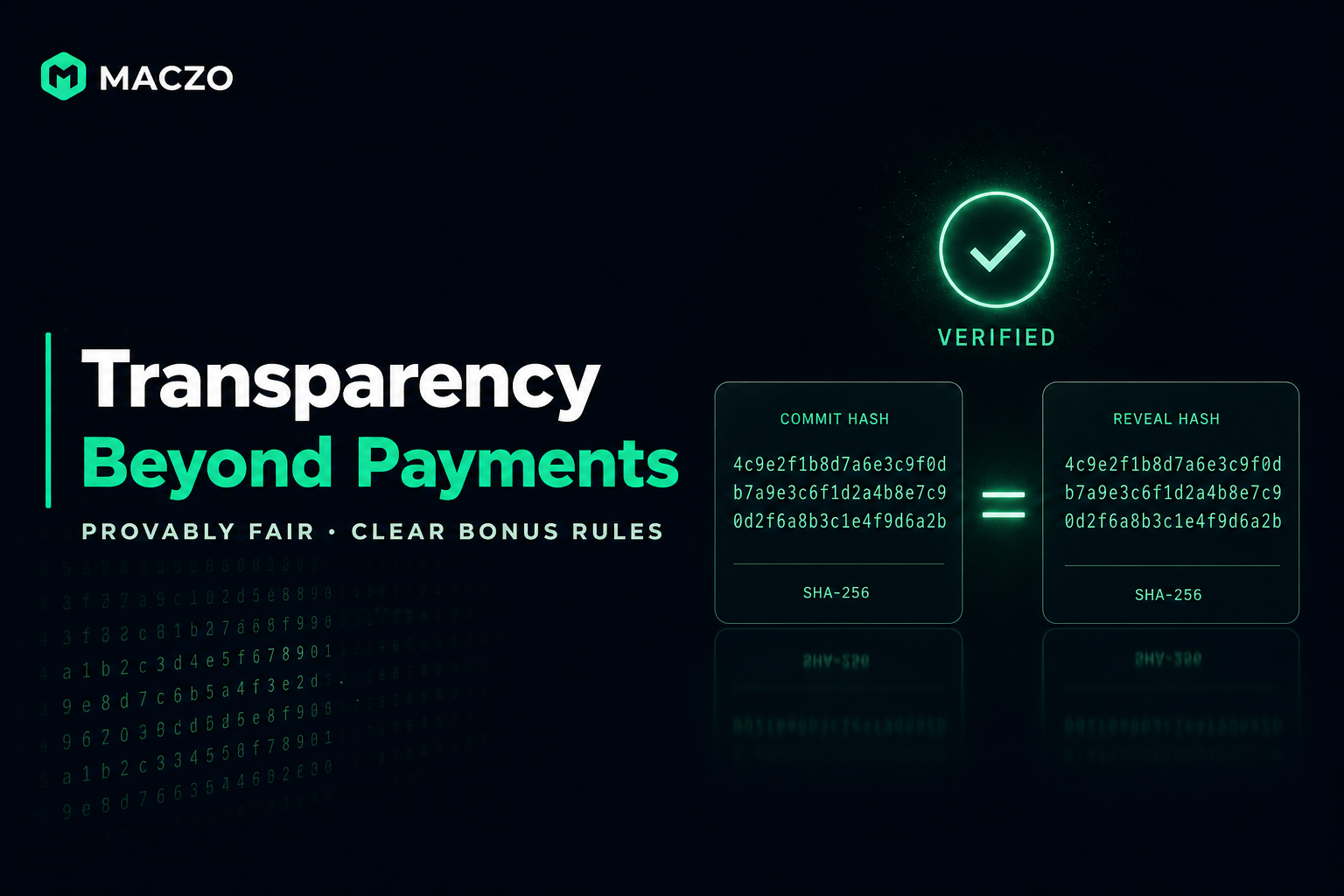
Crypto users often expect more visibility than traditional web users. In gaming, that expectation can extend beyond deposits and withdrawals. Some platforms offer provably fair systems for selected original games, allowing users to verify that outcomes followed a stated cryptographic process.
This can be valuable, but it needs careful explanation. Provably fair does not mean a user is likely to win. It also does not apply automatically to every slot, live dealer game, or third-party title. A responsible platform should explain which games are covered, how verification works, and where users can check results.
Transparency also applies to bonuses. Wagering requirements, excluded games, expiry dates, and maximum withdrawal rules should be visible before users accept an offer. If users cannot understand the rules, the bonus becomes a source of confusion rather than value.
Security Is a User Experience Issue
Crypto gaming platforms operate in a broader environment where phishing, fake support accounts, cloned domains, and wallet mistakes are common risks. Security is not only a technical issue; it is also a user experience issue.
Users should be able to identify the official domain, find support through verified channels, review payment instructions, and understand account protection options. A platform that makes these steps clear helps reduce avoidable mistakes.
Before using any crypto gaming platform, users should check:
- The official website and support channels
- Supported coins and blockchain networks
- Deposit and withdrawal minimums
- Potential fees and confirmation times
- Bonus terms and wagering requirements
- Which games are original and which are third-party titles
- Whether provably fair verification applies to selected games
- Responsible gaming tools and local legal restrictions
These checks are simple, but they help users compare platforms with a more practical mindset.
Where Maczo Fits Into the Conversation
The Maczo crypto gaming platform can be viewed as an example of how online gaming brands are adapting to crypto-native expectations. Instead of looking only at game variety or promotions, users can evaluate a platform like this through questions about payments, mobile access, game organization, transparency, and risk controls.
For example, crypto-friendly gaming platforms like Maczo are most useful to analyze when the focus is on the full user journey: how easy it is to understand payment options, whether rules are visible before play, how games are categorized, and whether users can find responsible gaming information.
This approach keeps the discussion grounded. A platform should not be judged only by loud offers or large catalogs. The more important question is whether users can make informed decisions before depositing funds.

Responsible Use Still Matters
Crypto payments can make online gaming faster, but speed is not always a benefit if users act without limits. Responsible gaming principles still apply. Users should set a budget, avoid chasing losses, take breaks, and never treat gaming as a source of income.
Local laws also matter. Crypto does not override gambling regulations, age requirements, or platform restrictions. Users should confirm whether a service is legally accessible in their location before signing up.
Final Thoughts
Crypto payments are reshaping online gaming because they bring wallets, stablecoins, transaction transparency, and Web3 expectations into a consumer entertainment category. The shift is not only about faster deposits. It is about whether platforms can make money movement clear, secure, and understandable.
For TheCoinrise readers, the useful takeaway is simple: crypto gaming is a practical adoption case, but it should be evaluated carefully. The strongest platforms will be those that explain payments, protect users, clarify game rules, and treat transparency as part of the product experience.
Disclaimer: This article is for informational purposes only and does not encourage gambling. Online gaming involves financial risk and may be restricted in some jurisdictions. Users should follow local laws, be of legal age, and play responsibly.



Read More