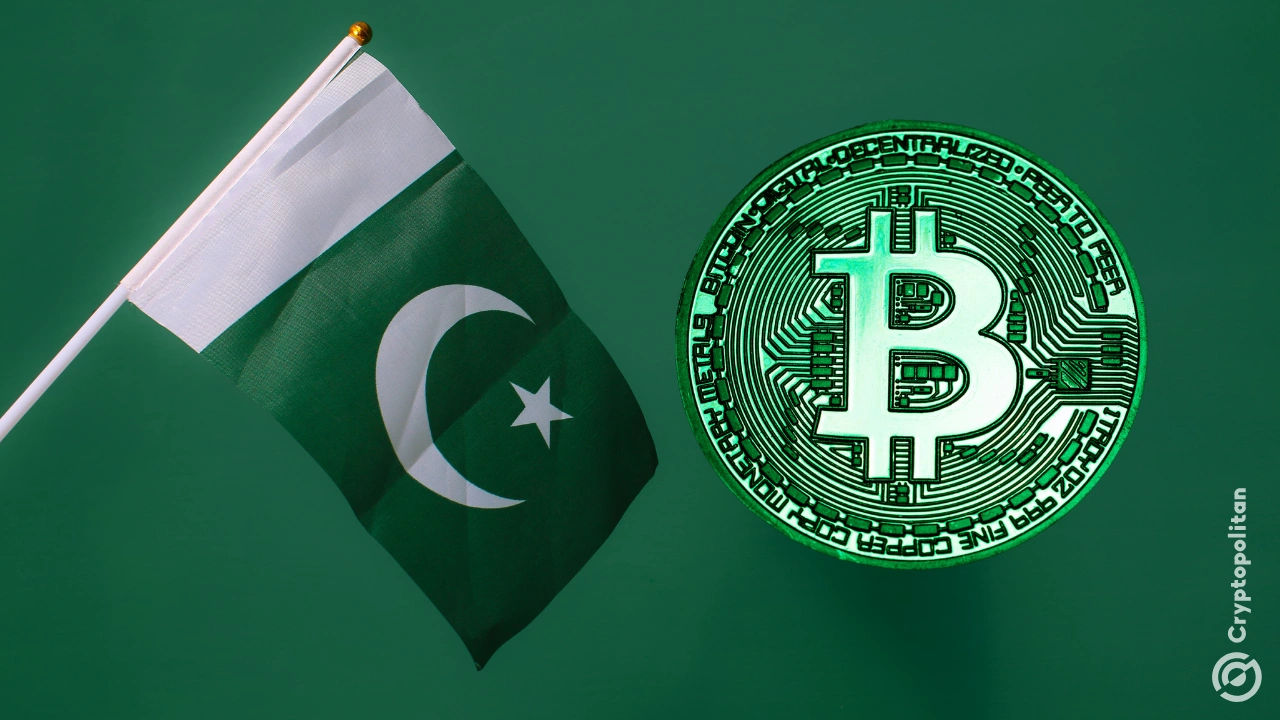


Pakistan’s top virtual asset official, Bilal bin Saqib, met with an Islamic scholar who recently ruled that purchasing anything with cryptocurrency is prohibited. He concluded that stablecoins, tokenized assets, and raw crypto tokens should all be reviewed separately.
The disagreement is significant because Pakistan is developing a licensing regime that legally requires digital assets to be Sharia compliant. About 30 to 40 million Pakistanis already own cryptocurrency.
What the fatwa says
Bilal bin Saqib is the Chairman of the Pakistan Virtual Assets Regulatory Authority, or PVARA. In a post on X, Saqib described the July 11 meeting with Mufti Taqi Usmani as a “constructive discussion,” stating that the two men want to protect Pakistanis from “fraud, exploitation, and financial harm.”
However, Saqib stated that a blockchain, a fiat-backed stablecoin, and a tokenized real-world asset are not the same thing and should not be treated as such. Each deserves “careful technical assessment alongside rigorous Shariah examination,” he added.
Usmani and other scholars affiliated with Darul Ifta at Jamia Darul Uloom Karachi issued the ruling on June 10, and it became widely circulated on Friday. It concluded that cryptocurrencies do not qualify as “maal,” the Islamic legal concept of wealth. The scholars referred to them as fictitious numerical entries in an account. USDT was named directly alongside other tokens.
Scholars were asked to talk about the case of books and an online course purchased via crypto. They said the purchases were invalid and the buyer never legally took possession. He was told to return the books and delete the course materials, rather than using them or giving them to someone else. The decision covers both a physical item and a digital service, so it’s not just for speculative crypto trading; it also covers daily spending.
According to Daily Pakistan, the fatwa states that labeling a coin as a “virtual currency,” “token,” or “stablecoin” does not change its status because all of them fall into the same banned category.
A fatwa is not state law, but Usmani is a well known figure in Islamic finance, so his opinion is likely to influence how many Pakistani Muslims perceive cryptocurrency investment.
Saqib didn’t say that Usmani had changed his mind or softened his position after the meeting. He pushed for ongoing communication between researchers and regulators as the country makes its crypto rules.
Today, I had a constructive discussion with Mufti Taqi Usmani Sahib on digital assets and the ongoing conversation around their Shariah status.
We are united on one fundamental objective: protecting Pakistanis from fraud, exploitation, and financial harm.
I shared that…
— Bilal bin Saqib MBE (@Bilalbinsaqib) July 11, 2026
Why the fatwa collides with Pakistan’s crypto push
Pakistan’s parliament approved the Virtual Assets Act in March 2026. PVARA became a permanent federal regulator, with the authority to license exchanges, custodians, wallet operators, and token issuers, according to Cryptopolitan.
Operating without a license can result in penalties of up to 50 million Pakistani rupees, or $179,000, plus prison time. Licensed firms must also submit their services to a committee of Islamic finance scholars for Sharia approval.
Saqib is betting on the committee structure. A case by case review could allow for a fiat backed stablecoin or a tokenized bond while rejecting an unbacked speculative token. The fatwa closes that path by including USDT with everything else. The entire fight revolves around whether blockchain products can be sorted based on who backs them and what they do.
Don’t just read crypto news. Understand it. Subscribe to our newsletter. It’s free.


Read More