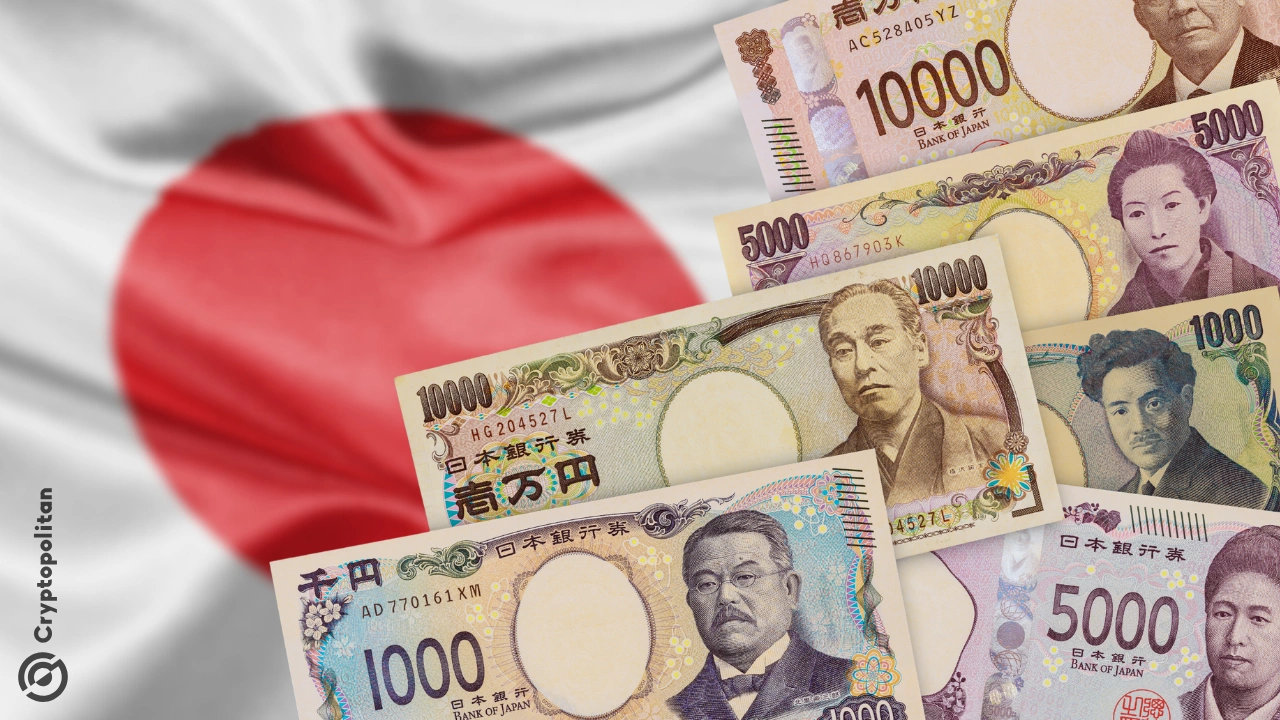


The Bank of Japan held its benchmark rate at 1% on July 31, an outcome every economist surveyed had expected after June’s hike to a 31-year high. The BoJ also intervenes in currency markets to protect the yen trading near 40-year lows.
The Japanese policy board voted 8 to 1 to keep the benchmark rate at 1%. Board member Hajime Takata was the only member to dissent once again, pushing for a hike to 1.25%, as the inflation outlook turned hawkish, according to reports.
Economists were expecting the board to keep the interest rates steady, nonetheless. However, the market was curious to know the tone the BoJ would take moving forward. In its announcement, the BoJ seemingly took a hawkish stance, cautioning in its outlook report that core inflation is likely to accelerate. The BoJ expects core inflation to rise above 2% starting in the second half of the fiscal year.
Inflation outlook turns hawkish despite the hold
Japan’s core inflation for July came in at 1.6%, meaning it has actually sat below the BOJ’s 2% target for most of the year so far. Despite the steady trend, the BoJ trimmed its fiscal 2026 core inflation forecast to 2.5% from 2.8% projected in April. The new adjustment is a downward revision that, on its face, looks dovish.
However, BoJ officials pointed out lower near-term numbers, with firmer conviction that the overshoot is coming later. The BoJ argued that the overshoot would be driven by import costs tied to a weak yen, resilient corporate pricing power, and lingering effects from the Middle East-driven energy shock earlier this year.
Economists anticipated a near-term dip alongside a longer-term warning, predicting that the BoJ was set to deliver a hawkish signal despite maintaining rates.
The market was keen to observe Governor Kazuo’s press conference after the decision. Many believed that, despite a vote by the majority of central bankers to keep rates steady, the policy stance could still swing the yen sharply.
Analysts had been split on whether the next hike would land in October or be pushed to December, and Ueda’s job was to reconcile a government led by Prime Minister Sanae Takaichi, which has shown little appetite for further tightening, with a bond market already pricing in more.
Yen intervention adds another twist to the mix
The BoJ also reportedly stepped directly into currency markets in the hours leading up to the interest rate decision. Sources revealed that Japan conducted a yen-buying, dollar-selling intervention in New York on Thursday. The first time the BoJ had intervened using such tactics in three months. The yen slid toward a 40-year low against the dollar, threatening to further inflate the cost of imported energy and food.
In 2026, the yen’s weakness has been building due to three separate pressures. There’s been a wide gap between US and Japanese rates, which keeps the carry trade alive. Similarly, the elevated fuel prices as a result of tensions in the Straight of Hormuz and a reluctant market towards the BoJ’s willingness to move fast enough to close the gap. These three pillars have led to the benchmark 10-year Japanese government bond yield easing to 2.8%, a sign that bond investors are already pricing in further central bank tightening.
The smartest crypto minds already read our newsletter. Want in? Join them.




Read More