

The Taiwanese memory chipmaker is said to be sharply raising its 2026 capital budget as demand for DRAM chips accelerates.
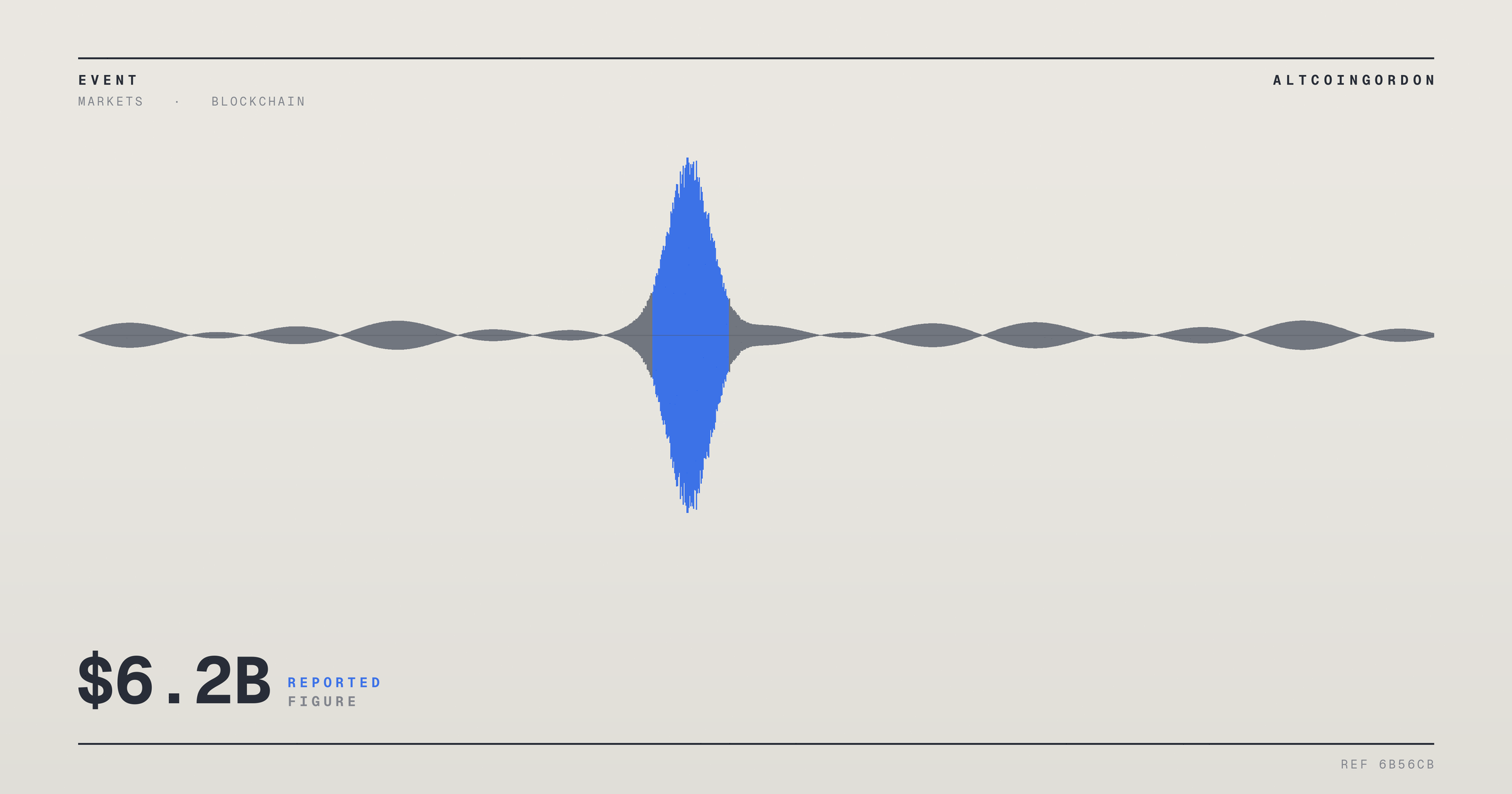
Nanya Technology, a Taiwan-based memory chip manufacturer, has reportedly raised its capital spending plan to $6.2 billion. That figure marks roughly a fourfold increase over previous capital expenditure levels, according to a report from CryptoBriefing.
The reported jump comes as demand for DRAM, or dynamic random-access memory, has surged across the semiconductor industry. DRAM chips are a core component in servers, personal computers, smartphones and data center infrastructure. Rising demand for computing power tied to artificial intelligence workloads has been a major driver of memory chip orders industry-wide.
Capital expenditure increases of this scale typically signal a company’s expectation that demand will remain elevated for an extended period. Semiconductor manufacturers generally commit capital years in advance of production, since building new fabrication capacity or upgrading existing plants takes considerable time. A near-quadrupling of spending suggests Nanya anticipates a sustained cycle of demand rather than a short-term spike.
The memory chip sector has experienced pronounced demand cycles over the past decade, often tied to broader shifts in computing infrastructure. Cloud computing buildouts, followed more recently by AI training and inference workloads, have repeatedly strained global memory supply. When demand outpaces available capacity, prices for DRAM and related memory products can rise sharply, prompting manufacturers to expand output.
Nanya’s reported spending increase would place it among chipmakers responding to that dynamic. The company operates primarily in the DRAM segment, distinguishing it from larger diversified semiconductor firms that produce a broader range of chip types. A capital spending decision of this magnitude would represent a significant strategic commitment for a company of Nanya’s size.
Details beyond the reported spending figure remain limited. It is not yet clear from available reporting how the increased capital budget will be allocated across specific projects, what timeline governs the spending, or how the expansion will be financed. Questions about whether the figure reflects a single fiscal year or a multi-year plan have also not been addressed in the available reporting.
The broader semiconductor industry has closely watched memory chip supply and pricing trends this year, given their downstream effects on computing hardware costs. Memory chips are a foundational input for servers that support cloud computing, artificial intelligence infrastructure and, indirectly, blockchain-related computing operations that rely on data center capacity.
Market Impact
A significant increase in DRAM capital spending by a major manufacturer like Nanya could have ripple effects across the semiconductor supply chain. Higher planned output may eventually ease supply constraints that have pushed memory chip prices upward in recent periods, though new capacity typically takes time to come online.
For markets watching AI infrastructure spending and hardware supply chains, the reported move underscores continued expectations of strong demand for computing components. Investors in semiconductor and technology-adjacent sectors may view sustained capital commitments from memory chipmakers as a signal of confidence in longer-term demand trends, though the full financial and operational details of Nanya’s plan have not yet been reported.
As reporting on Nanya Technology’s capital spending plans develops, further details on financing, timeline and capacity allocation are likely to emerge. The scale of the reported increase points to broader confidence in DRAM demand across the technology sector.
Frequently Asked Questions
What is DRAM and why does it matter?
DRAM, or dynamic random-access memory, is a type of memory chip used in computers, servers, smartphones and data centers. It is a foundational component for most modern computing hardware, including infrastructure that supports cloud computing and artificial intelligence workloads.
How large is Nanya Technology’s reported capital spending increase?
According to CryptoBriefing, Nanya’s capital expenditure plan has reportedly risen to $6.2 billion, roughly four times its previous spending level. Additional details on the timeline for this spending have not been specified in available reporting.
Why would a chipmaker increase capital spending this sharply?
Large capital spending increases usually reflect expectations of sustained demand growth. Semiconductor manufacturers plan capacity years in advance, so a major spending boost suggests Nanya anticipates strong DRAM demand continuing for an extended period.
Is this development directly related to cryptocurrency markets?
The report concerns semiconductor and memory chip manufacturing rather than cryptocurrency directly. However, memory chips support data center and computing infrastructure that underpins broader technology sectors, including some blockchain-related computing operations.
Original source: AltcoinGordon

Read More