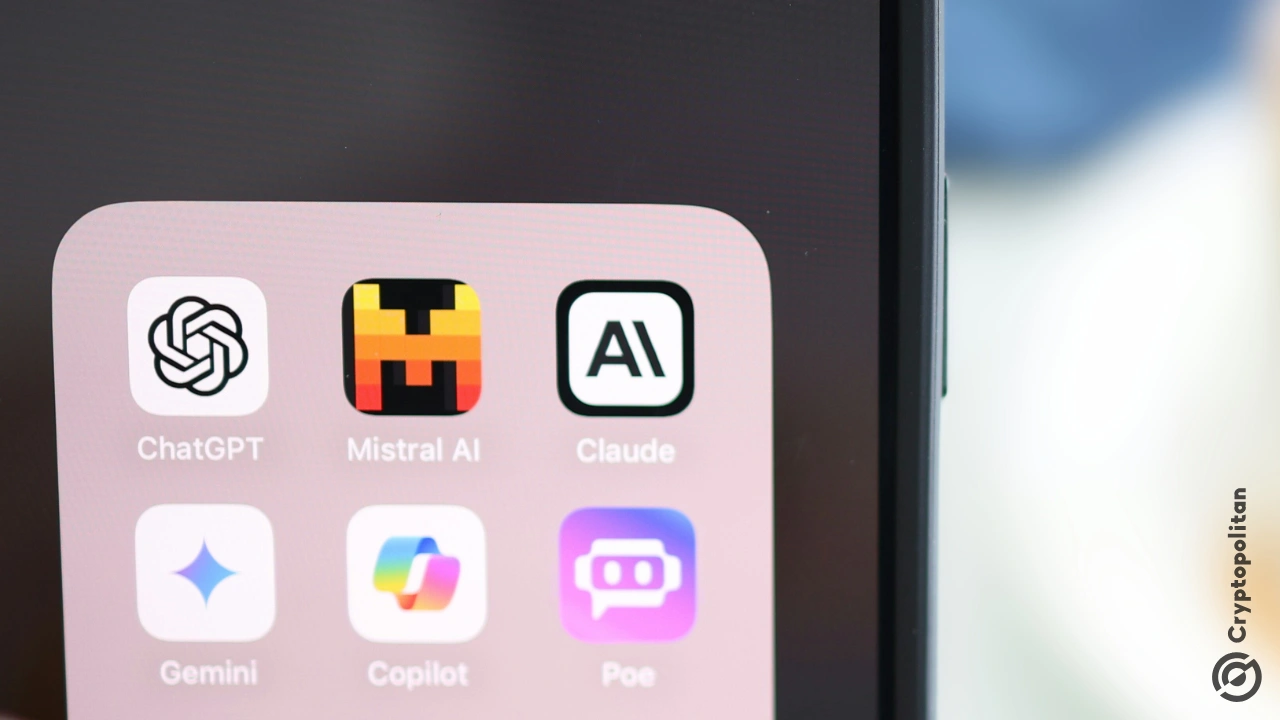


Dario Amodei, the CEO of Anthropic, stated on Monday that the company has never attempted to prohibit open-weight AI models, a rebuttal directed at regulators considering new regulations and at competitors that claim that Claude has made use of safety and security dilemmas to defend itself.
This clarification is important due to the fact that Washington is in the process of determining the extent to which the regulations will be implemented. The Senate has put forth a bill that could result in a federal limit on open-weight models, which are a category of models developers can download and use on their machines. The outcome of the debate will influence which lab will gain a competitive advantage, what kind of models companies will have access to the market, and to what extent various closed-model providers will dominate it.
The chokepoints Amodei wants regulated instead
In his blog post, Amodei did not call for an outright ban but proposed three more specific suggestions for policymakers. For one, he wants stricter regulation of advanced chip technology and computing devices sent to authoritarian nations such as China. He also wants the prohibitions against industrial “distillation” to be strict, which means training a new model with the outputs of a more advanced model. Lastly, he wants the mandatory testing of powerful models in order for their safety to be guaranteed.
According to Amodei, the ban would only detract from the real danger, as, as he put it, “bad actors are unlikely to be legitimate US businesses.” Amodei admitted to Axios that banning Chinese open-source should help keep laboratories like his own from competition, but maintained that “that has never been my goal.” As noted by Bloomberg Law, his primary concern is with authoritarian states developing AI that is superior to US products.
The letter Anthropic would not sign
It came in response to a significant public rejection. As per reports, more than two dozen companies, including Nvidia, Meta, and Microsoft, signed an earlier letter titled “Open Weights and American AI Leadership” in which the companies asked lawmakers not to impose restrictions on the technology, as stated by Business Insider. Over the weekend, OpenAI, Google, and SpaceX joined the group, so by Monday, Anthropic was the only major firm not to have done so.
Silicon Valley has caught on. David Sacks, the venture capitalist and ex-Trump administration AI advisor, has alerted the industry on X that it must “watch these guys like a hawk.”
The entire tech industry (save for Anthropic) has come out in favor of open source AI.
So what happens next? Will Anthropic change its lobbying efforts? Not likely. Now the gaslighting begins:
“Nobody is trying to ban open source.”
“We just want to limit who can use it.”
“We…
— David Sacks (@DavidSacks) July 26, 2026
In turn, Benchmark’s Bill Gurley stated that Anthropic was shielding its “corporate economic strategy.” Kai-Fu Lee, who founded the Chinese open-model startup 01.AI, said that the person who didn’t sign was “far more interesting than who did.”
From a shared China worry to a public split
The division is more recent than the underlying issue. Cryptopolitan reported that closed-model competitors have been uniting against each other in Washington for quite some time. In July, Axios observed how OpenAI and Anthropic joined forces to raise awareness among legislators about powerful Chinese open-weight models, a stance that has drawn criticism from people such as Sacks, who attack it as a possible case of regulatory capture that would solidify the influence of huge companies.
The catalyst for the debate was Kimi K3, an open-weight model developed by the Chinese startup Moonshot, which rivaled US models at a much lower price. Some people accused Moonshot of using Anthropic’s Fable model to train Kimi K3 through a process called distillation, and Treasury Secretary Scott Bessent proposed sanctions against Chinese models found to be copying the US ones. Following this, OpenAI and Google, Anthropic’s two greatest competitors, signed an open letter, leaving Anthropic alone and raising questions about whether Anthropic wanted a ban to defend its commercial interests.
What Amodei conceded and what he rejected
Amodei attempted to walk a fine line. He acknowledged that open models boost accessibility, enable competition, and put customers in control; he even characterized open models without risky capabilities as “a public good.” However, he rejected the key safety assertion of the letter, claiming that he does not believe that open weights allow defenders to build defenses easily or that increased access is more helpful to defenders than attackers. In his view, any capable model can weaponize pandemic-level viruses, while creating a defense takes a long time.
Currently, the divide is the most evident one in the industry. Nvidia took this occasion to announce the formation of the Open Secure AI Alliance, supported by Microsoft, SpaceX, Hugging Face, among others, asserting that open technologies are protected by law and that total prohibition would give too much power to a few closed suppliers. Now the ball is in the hands of legislators who are yet to develop standards that would determine the answer to the questions addressed above.
If you’re reading this, you’re already ahead. Stay there with our newsletter.



Read More