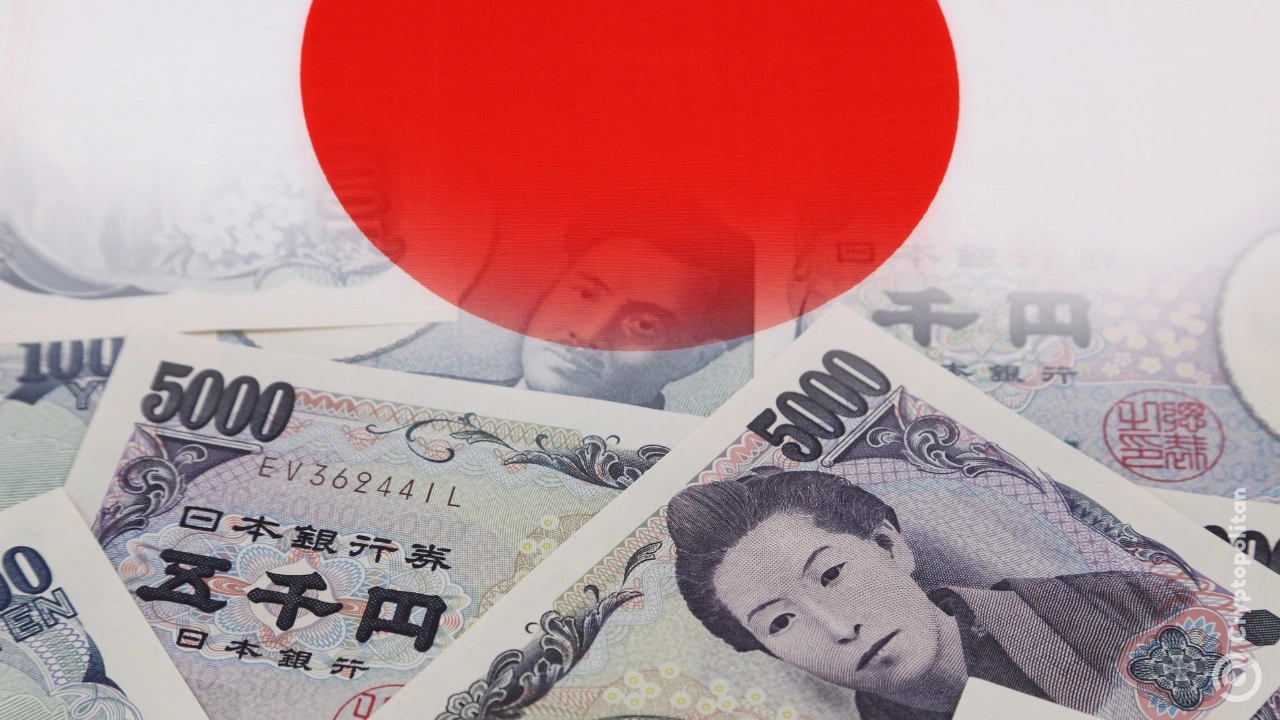


On Thursday, the Bank of Japan decided not to raise interest rates, choosing to leave its monetary policy unchanged due to the war America and Israel started in the Middle East.
Investors are always scared for the BOJ to hike interest rates, thanks to the fateful day of August 5, 2024. So them holding off and giving us a bit of a breather is very much appreciated. We’ve certainly got too much on our plate already.
Anyway, at Japan’s Monetary Policy Meeting, where board members voted 8-1 to keep the guideline for money market operations unchanged for the period between meetings.
The bank said it will continue to encourage the uncollateralized overnight call rate to stay at around 0.75%.
That did not mean the bank painted a clean picture of the economy. It said Japan’s economy has been recovering at a moderate pace, but some weak areas remain. It also said overseas economies have grown moderately on the whole, though some weakness has shown up there too because of trade policies and other government actions in different countries.
At home, exports and industrial production have stayed mostly flat as a trend. Corporate profits have remained high overall, though tariffs have hurt manufacturers. Business fixed investment has continued to rise moderately.
Private consumption has stayed fairly firm because jobs and incomes have improved, though higher prices have put pressure on households.
Housing investment has kept falling. Public investment has stayed more or less flat. The bank also said financial conditions remain accommodative.
Bank of Japan keeps rates steady as food prices ease and oil prices rise
The inflation picture was mixed. The bank said the yearly rise in the consumer price index, excluding fresh food, had been above 2% earlier. Part of that came from food costs, including higher rice prices.
More recently, that rate has fallen to around 2% because the government rolled out steps to reduce the hit from higher energy prices on households.
The bank also said inflation expectations have risen moderately. That matters because officials are trying to judge whether price growth is becoming broad enough to last, not just being pushed up by a few painful items in the shopping basket.
The bank’s outlook showed why officials were not ready to pull the trigger on another hike. It said Japan is likely to keep growing at a moderate pace as overseas economies return to growth and as the cycle from income to spending gradually gets stronger. It tied that view to government support measures and easy financial conditions.
Still, it also warned that trade and other policies in each jurisdiction will continue to affect the economy. Then came the issue sitting over everything else.
The bank said tensions in the Middle East have made global financial and capital markets volatile and have pushed crude oil prices up sharply. It said future developments need attention.
On prices, the bank said the annual rise in the CPI, excluding fresh food, will likely slow to below 2% for a while. It said that should happen because the effect of higher food prices, including rice, will fade and because government measures that are meant to curb surging living costs are still working through the system.
After that, the bank expects price pressure to build again because of the recent rise in crude oil. It also said the pattern in which wages and prices rise together at a moderate pace is likely to continue.
Japan’s yen steadies slightly while traders wait for Kazuo Ueda to address stagflation risk
The bank also said labor shortages should become more visible as the economy keeps improving, and that medium- to long-term inflation expectations should rise.
In that setting, underlying CPI inflation is expected to climb gradually and, in the second half of the projection period in the January 2026 Outlook Report, reach a level broadly in line with the bank’s price stability target.
At the same time, it said the effect of higher crude oil prices on underlying inflation also needs close attention. So the message was simple enough: price growth may cool first, but oil could heat it back up again.
In the currency market, the yen rose 0.1% to 159.78 per dollar. That left it slightly stronger on the day, though still close to its weakest levels in two years.
This came after Finance Minister Satsuki Katayama said authorities were on “heightened alert for currency market volatility” and said recent currency moves had been driven partly by speculators.
Want your project in front of crypto’s top minds? Feature it in our next industry report, where data meets impact.



Read More