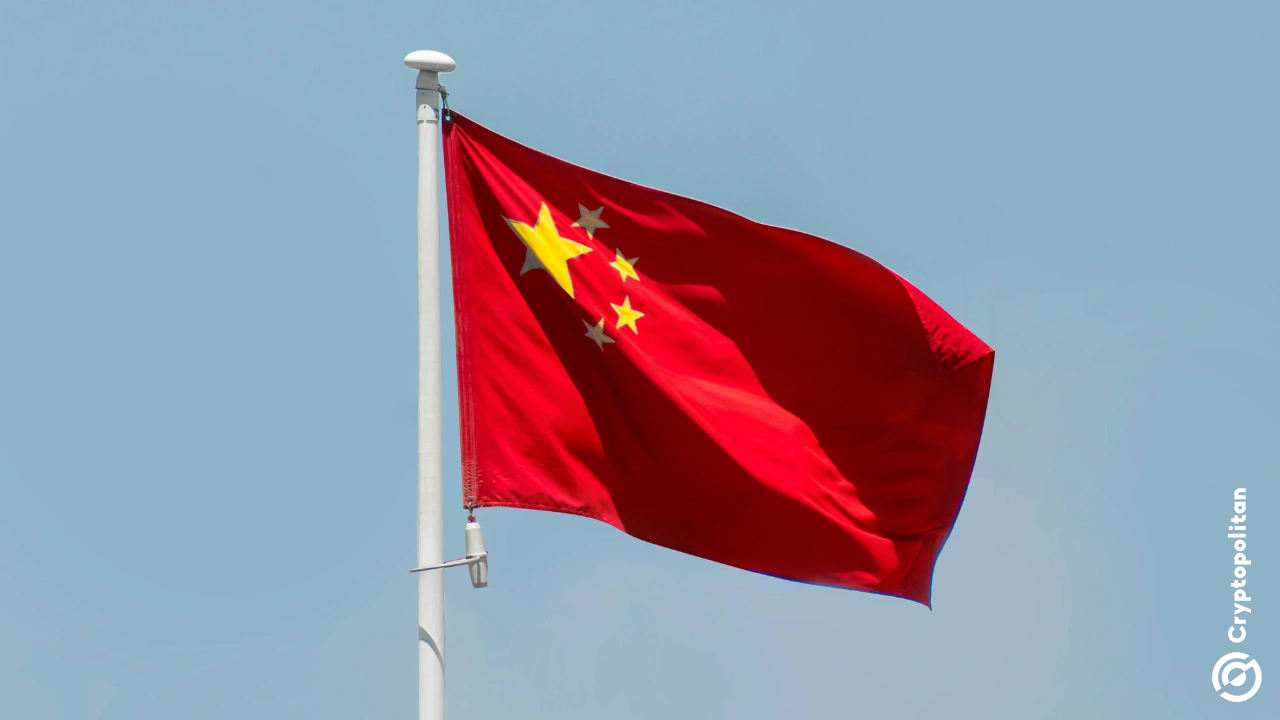


China imported 41.3% less crude oil in June this year compared to the same month a year earlier, with this posing as the country’s fuel import weakest month since October 2016. Electric taxis have helped to absorb a huge slice of the shortfall since the Strait of Hormuz crisis began.
China’s import figures and petrol demand
The figures released by the country’s Customs on July 14 put June imports at 29.27 million tonnes. This comes five months into a conflict that began in late February and has kept the Strait of Hormuz, which carries nearly half of China’s seaborne crude, under enormous threat. Hormuz sees between 45% and 50% of Chinese crude normally, according to Columbia’s Center on Global Energy Policy.
This, understandably, has led to an increased leaning on electric taxis. J.P. Morgan expects Chinese petrol demand to drop 150,000 barrels a day this year and another 50,000 in 2027. The bank’s analyst Natasha Kaneva explained the shift from petrol in a July 2 note, stating “The conflict may have accelerated behavioral changes that were already underway, leaving China structurally less dependent on oil than the market has historically assumed.”
Electric taxi switch happening in real time
The Ministry of Transport estimates that about half of the country’s 1.3 million taxis now run on batteries, a figure that is moving towards a complete 100% in the largest cities.
Cab hailing service Didi added 2 million hybrid and electric vehicles last year, lifting its fleet of cars not using petrol to 8 million. Battery-powered cars now handle 75% of the total mileage booked through the Didi app, according to figures cited by TNW.
The fuel data also gives credence to these noticeable changes. China consumed 10% less petrol and 14% less diesel in May than in the same month a year earlier, even as road freight increased by 2% and holiday travel during the May Day period set a record. Over the same window, riders took 3.05 billion taxi and ride-hailing trips, a 6% increase on the prior year.
There were no policy changes guiding this switch to electric taxis. In fact, the electrification push had already started before the crisis began due to commercial reasons. The crisis, however, added economic changes that favored battery-powered cars. Petrol prices rose while a rush of new drivers and cheap electric cars pushed fares down 10% to 15% over six months, according to TNW. Owners of petrol cars are leaving them parked and booking rides instead.
“Overall travel demand is still increasing, so more trips are shifting to public transport, such as taxis and the subway,” said Daizong Liu, East Asia director at the Institute for Transportation and Development Policy.
China’s pressure on oil demand
June’s import came mostly due to supply. Refiners saw crude distillation units at 57.72% utilization, which ran close to a 10-year low. China’s reduced buying helped to cap crude prices after Brent went above $79 on Monday due to the U.S. Iran ceasefire breaking.
Analysts expect the structural pressure on oil demand to last. Dai Jiaquan, chief economist at the CNPC Economics and Technology Research Institute, stated at a Hong Kong event that Chinese crude demand will peak within five years.
He said that China’s more immediate headache was refining the current overcapacity of 900 million to 1 billion tonnes against reducing demand of 750 million to 800 million.
Greenpeace has also predicted that 90% of taxi and ride-hailing mileage will be electric by 2035.
Don’t just read crypto news. Understand it. Subscribe to our newsletter. It’s free.




Read More