The post Ex-SEC Chair Gensler Wasn’t Anti-Crypto in Private, McHenry Reveals appeared first on Coinpedia Fintech News
On the surface, gary gensler 

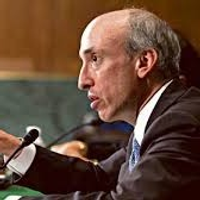
gary gensler
Gary Gensler is the chairman of the U.S. Securities and Exchange Commission (SEC). His studies in finance and blockchain at MIT have helped him develop U.S. cryptocurrency regulations and policies.
Quick Facts
Full name
Gary Scott Gensler
Birth
18-10-1957, Baltimore, Maryland, United States
Nationality
American
Education
MBA from the University of Pennsylvania
Marital status
Married to Francesca Danieli (1986-2006)
Net worth
Estimated $100 million
Gensler has advocated for enhanced supervision of digital assets, seeking to regulate cryptocurrencies similar to securities. His work at the SEC has focused on safeguarding investors, regulating crypto exchanges, and establishing stablecoin policies.
Gary Gensler – Career Highlights
1997 – Became Assistant Secretary of the Treasury.
2009 – Led CFTC, regulating financial derivatives post-2008 crisis.
2018 – Taught blockchain and crypto at MIT.
2021 – Appointed SEC Chairman, focusing on crypto regulations.
2022 – Proposed stricter rules for crypto exchanges.
2023 – Took legal action against major crypto firms.
2024 – Advocated for stronger stablecoin and DeFi regulations.
Gary has collaborated with multiple lawmakers in formulating crypto policies. Even with disagreements with crypto investors regarding crypto policies, he continues to be a key player in the changing dynamic between regulatory frameworks and blockchain advancement.
Awards & Recognitions of Gary Gensler
Year
Institution
Description
2009
U.S. Treasury
Financial Regulation Leader
2018
MIT
Blockchain & Crypto Educator
2021
SEC
SEC Chairman Overseeing Crypto Policies
2023
Bloomberg
Most Influential Regulator in Crypto
2024
Forbes
Top Policy Maker in Digital Assets
Useful Links to Connect With Gary Gensler
Platform
Link
X (formerly Twitter)
twitter.com/GaryGensler
CFTC website
Chairman Gary Gensler
Chairman

looked like crypto’s most powerful enemy. But what if behind closed doors, he wasn’t the villain he seemed? You’ll want to take a seat for this.
For years, the former SEC Chair was the face of regulatory crackdowns in crypto. But a recent revelation just flipped that narrative on its head. Turns out, what we saw in public might not tell the full story.
There’s a side of Gensler the crypto world never got to see.
Let’s break it down.
Mixed Messages Behind the Scenes
In a surprising twist, U.S. Representative Patrick McHenry dropped a revelation on the Crypto in America podcast this week: Gensler, the former SEC Chair known for his harsh stance on digital assets, may have secretly supported crypto all along.
“Did he come across, or was he as anti-crypto in private as he did in public?” McHenry was asked. His response: “No… Nope.”
According to McHenry, conversations with Gensler during his time in office were anything but straightforward. One moment he acknowledged the value of blockchain innovation, the next he was backpedaling or outright contradicting himself.
“Confusing” was the word McHenry used – and it’s not hard to see why.
Gensler’s academic past tells a different story. At MIT, he spoke positively about digital assets and even contributed to early airdrop concepts. But once he stepped into the SEC chair role in 2021, everything changed.
Enforcement Over Clarity
Under Gensler’s leadership, the SEC went on the offensive. From Coinbase and Binance to smaller crypto projects, the commission filed over 100 actions – many without offering a clear legal framework.
A 2025 academic paper titled “Uncertain Regulations, Definite Impacts…” broke it down: surprise enforcement moves led to major price drops – averaging a 5.2% dip in three days, deepening to 17.2% over 30 days. Investor confidence was often shattered.
Rather than clarifying how digital assets fit into existing laws, the SEC relied on the decades-old Howey Test, a framework not really built for decentralized tokens.
The result was a regulatory gray zone where crypto projects are either caught off guard or forced to flee the United States.
.article-inside-link {
margin-left: 0 !important;
border: 1px solid #0052CC4D;
border-left: 0;
border-right: 0;
padding: 10px 0;
text-align: left;
}
.entry ul.article-inside-link li {
font-size: 14px;
line-height: 21px;
font-weight: 600;
list-style-type: none;
margin-bottom: 0;
display: inline-block;
}
.entry ul.article-inside-link li:last-child {
display: none;
}
The Industry Fought Back
And flee they did. After repeated clashes with the SEC, several major crypto companies began shifting operations abroad.
Coinbase CEO Brian Armstrong cut ties with law firms connected to former SEC officials and accusing the agency of trying to “unlawfully kill” the industry. Gemini went a step further, announcing it would avoid hiring MIT grads unless the university removed Gensler from its faculty.
The backlash was real.
Two Faces, Two Legacies?
So which Gary Gensler is real? The blockchain believer from MIT, or the enforcer who hurt the crypto industry deeply?
Maybe it’s both.
As the U.S. crypto markets rebuild under a crypto-positive Trump administration, his legacy – love it or hate it – will shape the debate for years to come.
.article_register_shortcode {
padding: 18px 24px;
border-radius: 8px;
display: flex;
align-items: center;
margin: 6px 0 22px;
border: 1px solid #0052CC4D;
background: linear-gradient(90deg, rgba(255, 255, 255, 0.1) 0%, rgba(0, 82, 204, 0.1) 100%);
}
.article_register_shortcode .media-body h5 {
color: #000000;
font-weight: 600;
font-size: 20px;
line-height: 22px;
text-align:left;
}
.article_register_shortcode .media-body h5 span {
color: #0052CC;
}
.article_register_shortcode .media-body p {
font-weight: 400;
font-size: 14px;
line-height: 22px;
color: #171717B2;
margin-top: 4px;
text-align:left;
}
.article_register_shortcode .media-body{
padding-right: 14px;
}
.article_register_shortcode .media-button a {
float: right;
}
.article_register_shortcode .primary-button img{
vertical-align: middle;
width: 20px;
margin: 0;
display: inline-block;
}
@media (min-width: 581px) and (max-width: 991px) {
.article_register_shortcode .media-body p {
margin-bottom: 0;
}
}
@media (max-width: 580px) {
.article_register_shortcode {
display: block;
padding: 20px;
}
.article_register_shortcode img {
max-width: 50px;
}
.article_register_shortcode .media-body h5 {
font-size: 16px;
}
.article_register_shortcode .media-body {
margin-left: 0px;
}
.article_register_shortcode .media-body p {
font-size: 13px;
line-height: 20px;
margin-top: 6px;
margin-bottom: 14px;
}
.article_register_shortcode .media-button a {
float: unset;
}
.article_register_shortcode .secondary-button {
margin-bottom: 0;
}
}
Never Miss a Beat in the Crypto World!
Stay ahead with breaking news, expert analysis, and real-time updates on the latest trends in Bitcoin, altcoins, DeFi, NFTs, and more.
.subscription-options li {
display: none;
}
.research-report-subscribe{
background-color: #0052CC;
padding: 12px 20px;
border-radius: 8px;
color: #fff;
font-weight: 500;
font-size: 14px;
width: 96%;
}
.research-report-subscribe img{
vertical-align: sub;
margin-right: 2px;
}
var templateIds = “6”;
var listOfSubscribed = [];
function subscribed_popupmodal(template_id) {
var templateId = ‘6’;
getAllSubscriberCategoryList([templateId]);
var subcribemodal = window.parent.document.getElementById(‘subscribe-modal-design’);
if (subcribemodal) {
var modalContent = `


Never Miss a Beat in the Crypto World!
Stay informed and gain the edge you need to navigate the crypto world. Select your subscription now
`;
subcribemodal.innerHTML = modalContent;
}
subscribe_unsubscribe_status(template_id);
//getAllSubscriberCategoryList(template_id);
}
function toggleSubscription(subscription, template_id) {
var subscriptionCheckbox = document.getElementById(subscription + ‘_’ + template_id);
var li = document.getElementById(subscription + ‘Selected_’ + template_id);
if (subscriptionCheckbox.checked) {
li.classList.add(‘active’);
} else {
li.classList.remove(‘active’);
}
}
function getAllSubscriberCategoryList(getcategoryId) {
jQuery.ajax({
url: ‘https://coinpedia.org/wp-admin/admin-ajax.php’,
type: ‘GET’,
data: {
action: ‘subscribe_api_ajax_request’,
apiurl: ‘/app/email_newsletter/list’,
},
success: function(response) {
var result = JSON.parse(response.message);
if (result.status === true) {
var idstosubscribed = []
// Populate listOfSubscribed with subscribed category IDs
result.message.forEach(listofcategory => {
if (listofcategory.subscribe_status === 1) {
if (!listOfSubscribed.includes(listofcategory._id)) {
listOfSubscribed.push(listofcategory._id);
}
if (!idstosubscribed.includes(listofcategory.news_cp_category_row_id)) {
idstosubscribed.push(listofcategory.news_cp_category_row_id);
}
}
});
idstosubscribed.forEach(id => {
var subscribeButton = document.getElementById(‘subscribe_’ + id);
var unsubscribeButton = document.getElementById(‘unsubscribe_’ + id);
if (subscribeButton && unsubscribeButton) {
subscribeButton.style.display = ‘none’;
unsubscribeButton.style.display = ‘block’;
var showDownloadReport = document.getElementById(‘download_report’);
if (showDownloadReport) {
showDownloadReport.style.display = ‘block’;
}
}
});
}
},
error: function(xhr, status, error) {
console.error(‘Error:’, error);
}
});
}
function subscribe_unsubscribe_status(getcategoryId) {
var elementTounsubscribe = parent.document.getElementById(‘unsubscribe_’ + getcategoryId);
var elementTosubscribe = parent.document.getElementById(‘subscribe_’ + getcategoryId);
jQuery.ajax({
url: ‘https://coinpedia.org/wp-admin/admin-ajax.php’,
type: ‘POST’,
data: {
action: ‘subscribe_api_ajax_request’,
apiurl: ‘/app/email_newsletter/list?category_row_id=’ + getcategoryId,
},
success: function(response) {
var result = JSON.parse(response.message);
if (result.status === true) {
parent.jQuery(‘.skeliton-loader-block’).hide();
var hasSubscribeStatusOne = false;
result.message.forEach(subscribeStatus => {
if (listOfSubscribed.includes(subscribeStatus._id) && subscribeStatus.subscribe_status === 1) {
hasSubscribeStatusOne = true;
}
if (subscribeStatus.notification_type === 3) {
parent.document.getElementById(‘monthlySelected_’ + getcategoryId).style.display = ‘block’;
parent.document.getElementById(‘monthly_’ + getcategoryId).setAttribute(‘data-id’, subscribeStatus._id);
if (subscribeStatus.subscribe_status === 1) {
parent.document.getElementById(‘monthly_’ + getcategoryId).checked = true;
}
} else if (subscribeStatus.notification_type === 2) {
parent.document.getElementById(‘weeklySelected_’ + getcategoryId).style.display = ‘block’;
parent.document.getElementById(‘weekly_’ + getcategoryId).setAttribute(‘data-id’, subscribeStatus._id);
if (subscribeStatus.subscribe_status === 1) {
parent.document.getElementById(‘weekly_’ + getcategoryId).checked = true;
}
} else if (subscribeStatus.notification_type === 1) {
parent.document.getElementById(‘dailySelected_’ + getcategoryId).style.display = ‘block’;
parent.document.getElementById(‘daily_’ + getcategoryId).setAttribute(‘data-id’, subscribeStatus._id);
if (subscribeStatus.subscribe_status === 1) {
parent.document.getElementById(‘daily_’ + getcategoryId).checked = true;
}
}
if (subscribeStatus.subscribe_status === 1) {
listOfSubscribed.push(subscribeStatus._id);
}
});
if (hasSubscribeStatusOne) {
elementTosubscribe.style.display = ‘none’;
elementTounsubscribe.style.display = ‘block’;
} else {
elementTosubscribe.style.display = ‘block’;
elementTounsubscribe.style.display = ‘none’;
}
}
},
error: function(xhr, status, error) {
console.error(‘Error:’, error);
}
});
}
function logSelectedSubscriptions(categoryid) {
var unsubscribemodal = document.querySelector(‘.unsubscribed-popup-modal .modal’);
var subscribedmodal = document.querySelector(‘.subscribed-popup-modal .modal’);
unsubscribemodal.innerHTML=”;
subscribedmodal.innerHTML=”;
var selectedSubscriptions = [];
var storeCheckedId = [];
var checkboxes = document.querySelectorAll(‘#subscription-options-‘ + categoryid + ‘ input[type=”checkbox”]’);
var errorMessage = document.getElementById(‘error-message-select’);
// Use a Set to handle unique data-ids
var uniqueSubscribedIds = new Set(listOfSubscribed);
checkboxes.forEach(function(checkbox) {
var dataId = parseInt(checkbox.getAttribute(‘data-id’));
if (checkbox.checked) {
selectedSubscriptions.push(checkbox.id);
storeCheckedId.push(dataId);
} else {
uniqueSubscribedIds.delete(dataId); // Remove unchecked data-id
}
});
// Update listOfSubscribed with unique values
listOfSubscribed = Array.from(uniqueSubscribedIds);
var selectedSubscriptionsString = selectedSubscriptions.join(‘, ‘);
var concatinateSubscribeId = […new Set(storeCheckedId.concat(listOfSubscribed))];
var categoryData = {
‘subscribed_categories’: concatinateSubscribeId
};
var requestSubscriberData = {
action: ‘handle_dynamic_api_request_with_headers’,
security: ‘2d7bb08be0’,
endpoint: ‘/app/email_newsletter/update_categories’,
token: ”,
data: categoryData
};
jQuery.ajax({
url: ‘https://coinpedia.org/wp-admin/admin-ajax.php’,
type: ‘POST’,
data: requestSubscriberData,
beforeSend: function(xhr) {
xhr.setRequestHeader(‘X-Requested-With’, ‘XMLHttpRequest’);
},
success: function(response) {
try {
response = response.data;
if (storeCheckedId.length === 0) {
var unsubcribedPopUpmodal =
`

You’ve Unsubscribed Successfully
We’re sorry to see you go! Your subscription has been canceled. If you change your mind, you can re-subscribe anytime. Thank you for being part of our community!
`;
unsubscribemodal.innerHTML = unsubcribedPopUpmodal;
document.querySelector(‘#subscribe-modal-design .modal’).style.display = ‘none’;
unsubscribemodal.style.display = ‘block’;
unsubscribemodal.classList.remove(‘hide’);
unsubscribemodal.classList.add(‘show’);
document.getElementById(‘subscribe_’ + categoryid).style.display = ‘block’;
document.getElementById(‘unsubscribe_’ + categoryid).style.display = ‘none’;
var showDownloadReport = document.getElementById(‘download_report’);
if (showDownloadReport) {
showDownloadReport.style.display = ‘none’;
}
} else {
var subscribedPopupModal =
`

Thank you for subscribing!
Thank you for subscribing to our crypto and blockchain newsletter! You’ll now receive the latest news, insights, and updates straight to your inbox. Welcome to our community!
`;
let selectedSubscriptionsArray = selectedSubscriptionsString.split(‘,’);
let subscribedCategories = selectedSubscriptionsArray.map(subscription => subscription.split(‘_’)[0]);
let subscribedCategoriesString = subscribedCategories.join(‘, ‘);
subscribedmodal.innerHTML = subscribedPopupModal;
if (document.getElementById(‘selectidname’)) {
document.getElementById(‘selectidname’).textContent = subscribedCategoriesString;
}
document.querySelector(‘#subscribe-modal-design .modal’).style.display = ‘none’;
subscribedmodal.style.display = ‘block’;
subscribedmodal.classList.remove(‘hide’);
subscribedmodal.classList.add(‘show’);
document.getElementById(‘subscribe_’ + categoryid).style.display = ‘none’;
document.getElementById(‘unsubscribe_’ + categoryid).style.display = ‘block’;
var showDownloadReport = document.getElementById(‘download_report’);
if (showDownloadReport) {
showDownloadReport.style.display = ‘block’;
}
}
} catch (e) {
console.error(‘Error parsing response:’, e);
}
},
});
}
function closeModal(template_id) {
var modalId = template_id;
var modal = document.querySelector(‘#’ + modalId); // Using querySelector to find the modal
if (modal) {
modal.classList.add(‘hide’);
modal.classList.remove(‘show’);
setTimeout(function() {
modal.style.display = ‘none’;
}, 500);
} else {
console.warn(‘Modal not found:’, modalId);
}
}
function closeunsubscribemodal() {
var unsubscribemodal = document.querySelector(‘.unsubscribed-popup-modal .modal’);
if (unsubscribemodal) {
unsubscribemodal.classList.add(‘hide’);
unsubscribemodal.classList.remove(‘show’);
}
setTimeout(function() {
unsubscribemodal.style.display = ‘none’;
}, 500);
}
function closesubscribemodal() {
var subscribedmodal = document.querySelector(‘.subscribed-popup-modal .modal’);
setTimeout(function() {
subscribedmodal.style.display = ‘none’;
}, 500);
if (subscribedmodal) {
subscribedmodal.classList.add(‘hide’);
subscribedmodal.classList.remove(‘show’);
}
}
function withoutLoginClicked(withoutlogin_id) {
localStorage.setItem(‘subscribe_without_Login’, ‘true’);
localStorage.setItem(‘subscribe_clicked_id’, withoutlogin_id);
}
document.addEventListener(‘DOMContentLoaded’, function() {
const subscribewithoutData = localStorage.getItem(‘subscribe_without_Login’);
const subscribe_clicked_cat_id = localStorage.getItem(‘subscribe_clicked_id’);
// Function to get cookies
function getCookie(name) {
let value = “; ” + document.cookie;
let parts = value.split(“; ” + name + “=”);
if (parts.length == 2) return parts.pop().split(“;”).shift();
}
// Get user token from cookies
const userToken = getCookie(‘user_token’);
if (subscribewithoutData === ‘true’ && userToken) {
// Call the modal function with the category ID
subscribed_popupmodal(subscribe_clicked_cat_id);
// Remove the flag and category ID from localStorage
localStorage.removeItem(‘subscribe_without_Login’);
localStorage.removeItem(‘subscribe_clicked_id’);
}
});
/************************** update susbcriber content **************************** */
function initializeSubscriptionButton() {
var initialListItems = document.querySelectorAll(‘.subscription-options input[type=”checkbox”]’);
initialListItems.forEach(function(item) {
console.log(item.checked, ‘Initial Checkbox checked status’);
});
var listItems = document.querySelectorAll(‘.subscription-options li’);
if (listItems.length === 0) return;
var anyActive = false;
listItems.forEach(function(item) {
var checkbox = item.querySelector(‘input[type=”checkbox”]’);
if (checkbox) {
if (checkbox.checked) {
item.classList.add(‘active’);
anyActive = true; // Set anyActive to true
} else {
item.classList.remove(‘active’); // Remove ‘active’ class if checkbox is unchecked
}
}
});
}
function updateButtonText(anyActive) {
var subscribeButtonSpan = document.querySelector(‘.subscribe-submit .changeBtnText’);
if (subscribeButtonSpan) {
if (anyActive) {
subscribeButtonSpan.textContent = ‘Subscribe Now’;
} else {
subscribeButtonSpan.textContent = ‘Unsubscribe’;
}
}
}
function updateSubscriptionButton() {
var listItems = document.querySelectorAll(‘.subscription-options li’);
if (listItems.length === 0) return;
var anyActive = false;
listItems.forEach(function(item) {
var checkbox = item.querySelector(‘input[type=”checkbox”]’);
if (checkbox) {
if (checkbox.checked) {
item.classList.add(‘active’);
anyActive = true; // Set anyActive to true
} else {
item.classList.remove(‘active’); // Remove ‘active’ class if checkbox is unchecked
}
}
});
// Update the button text based on whether any list item has the ‘active’ class
updateButtonText(anyActive);
}
document.addEventListener(‘click’, function(event) {
var clickedItem = event.target.closest(‘.subscription-options li’);
if (clickedItem) {
var checkbox = clickedItem.querySelector(‘input[type=”checkbox”]’);
if (checkbox) {
checkbox.checked = !checkbox.checked;
updateSubscriptionButton();
}
}
});
FAQs
Gensler’s mixed legacy, balancing support for blockchain and harsh regulation, will continue to influence U.S. crypto policies under future administrations.
Gensler’s SEC enforcement led to price drops, market confusion, and many crypto firms moving operations abroad, creating a regulatory gray area.
The post Ex-SEC Chair Gensler Wasn’t Anti-Crypto in Private, McHenry Reveals appeared first on Coinpedia.org.




Read More