
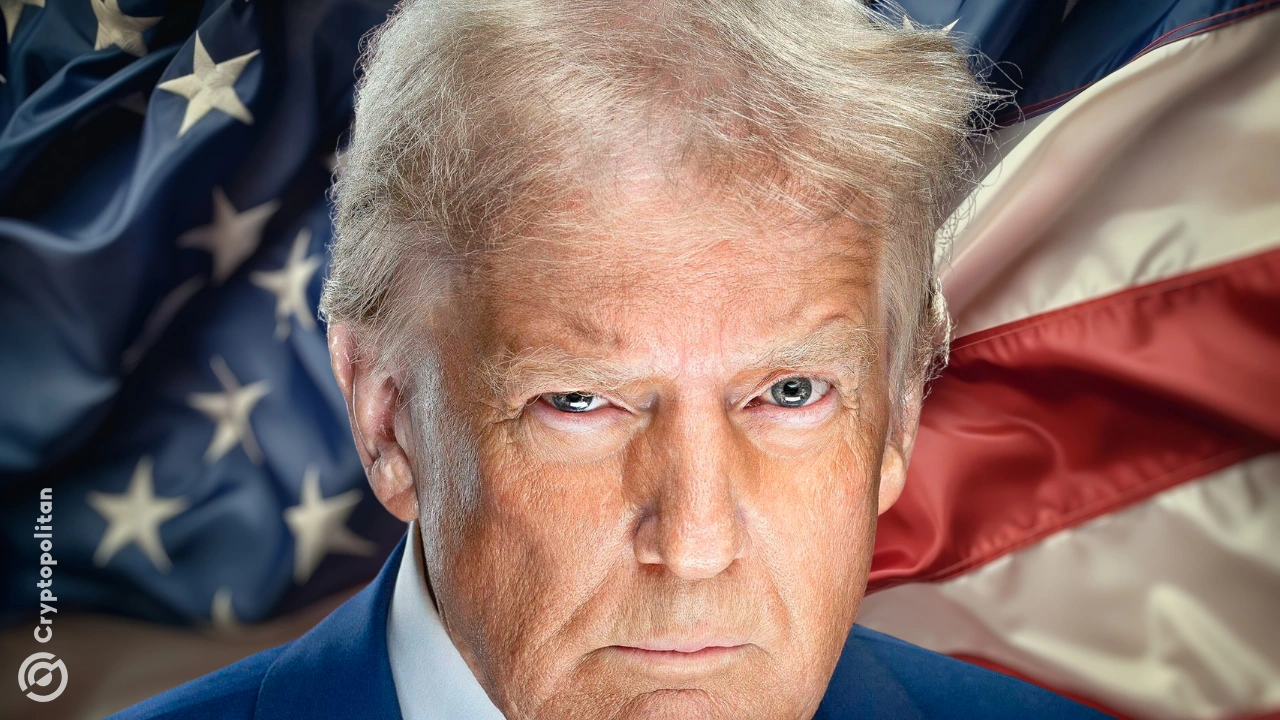


Iran answered President Donald Trump’s 48-hour warning to hit Iran’s power plants if Tehran did not open the Strait of Hormuz within two days. Iran’s military answered by saying any U.S. strike on non-military energy sites would trigger attacks in return.
That put the focus back on the waterway that carries a huge share of the world’s oil and gas flows and matters just as much to energy traders as it does to armies.
The warning came during another rough stretch in the war. Israeli Prime Minister Benjamin Netanyahu said it had been a “very difficult” night after two Iranian missile strikes hit southern Israel.
One of those strikes was near the country’s nuclear research center. Israeli officials said more than 120 people were hurt and 11 were seriously injured.
Israel’s military chief said the war it started was now at its “halfway point,” which suggested the fighting could run at least into early next month. Defense Minister Israel Katz said the “intensity” of Israeli attacks on Iran would rise in the coming week.
Iran restricts Strait of Hormuz traffic and threatens regional infrastructure
Ali Mousavi, Iran’s representative to the International Maritime Organization, said the strait was open to all shipping except vessels tied to what he called “enemies.”
Ali said ships could still pass, but only after arranging security and safety steps with Iran. “Diplomacy is always a priority, but a complete halt in aggression is more necessary for both sides.”
A Khatam al-Anbiya spokesperson also allegedly said, “Should Iran’s fuel and energy infrastructure be hit, all energy, information technology and water desalination facilities in the region belonging to the US and the [Israeli] regime will be targeted.”
Then Alaeddin Boroujerdi, a senior member of parliament, told state television that vessels using the strategic waterway were now paying a $2 million fee. Alaeddin said, “A new regime is being implemented in the waterway.” Officials have not confirmed that claim.
Even so, the statement landed at a time when every signal around Hormuz is being watched by oil markets, ship owners, and traders trying to figure out whether transport rules are changing in real time.
Washington opens peace talks while Iran sets hard terms for any deal
While the military threats kept flying, Washington also started thinking about what comes after the shooting.
Axios reported that, after three weeks of war, the Trump administration has begun early talks about the next phase and what peace negotiations with Iran could look like. Trump said Friday he was considering “winding down” the war, but U.S. officials still expected two to three more weeks of fighting.
At the same time, advisers were starting to prepare for diplomacy. Trump envoys Jared Kushner and Steve Witkoff are involved in those discussions.
Any deal meant to end the war would need to reopen the Strait of Hormuz fully, deal with Iran’s stockpile of highly enriched uranium, and set long-term terms on the nuclear program, ballistic missiles, and support for proxy groups across the region.
There has been no direct contact between the U.S. and Iran in recent days, but Egypt, Qatar, and the U.K. have passed messages between both sides.
Egypt and Qatar have told the U.S. and Israel that Iran is interested in negotiations, but only under tough conditions. Those terms include a ceasefire, guarantees that the war will not restart later, and compensation.
Inside Iran, Reza Talaei-Nik, a defense ministry spokesperson, said, “We must sustain the conflict with intensity and strength until the enemy fully surrenders.”
Reza also told citizens to continue daily life while preparing for a long war:- “If we want a good life, it cannot exist without security and defence. We must restore our deterrence to make the enemy regret its aggression.”
One U.S. official allegedly said, “Our view is we’ve stunted Iran’s growth,” and laid out six demands Washington wants from Tehran.
The list included no missile program for five years, zero uranium enrichment, dismantling the Natanz, Isfahan, and Fordow sites bombed last year, strict outside monitoring of centrifuges and related machinery, regional arms control deals with a missile cap of no more than 1,000, and no financing for Hezbollah, the Houthis, or Hamas.
Iran has rejected several of those demands before, and leaders in Tehran have also said it is hard to negotiate with a president who has held talks in the past and then suddenly ordered bombing.
Want your project in front of crypto’s top minds? Feature it in our next industry report, where data meets impact.



Read More


