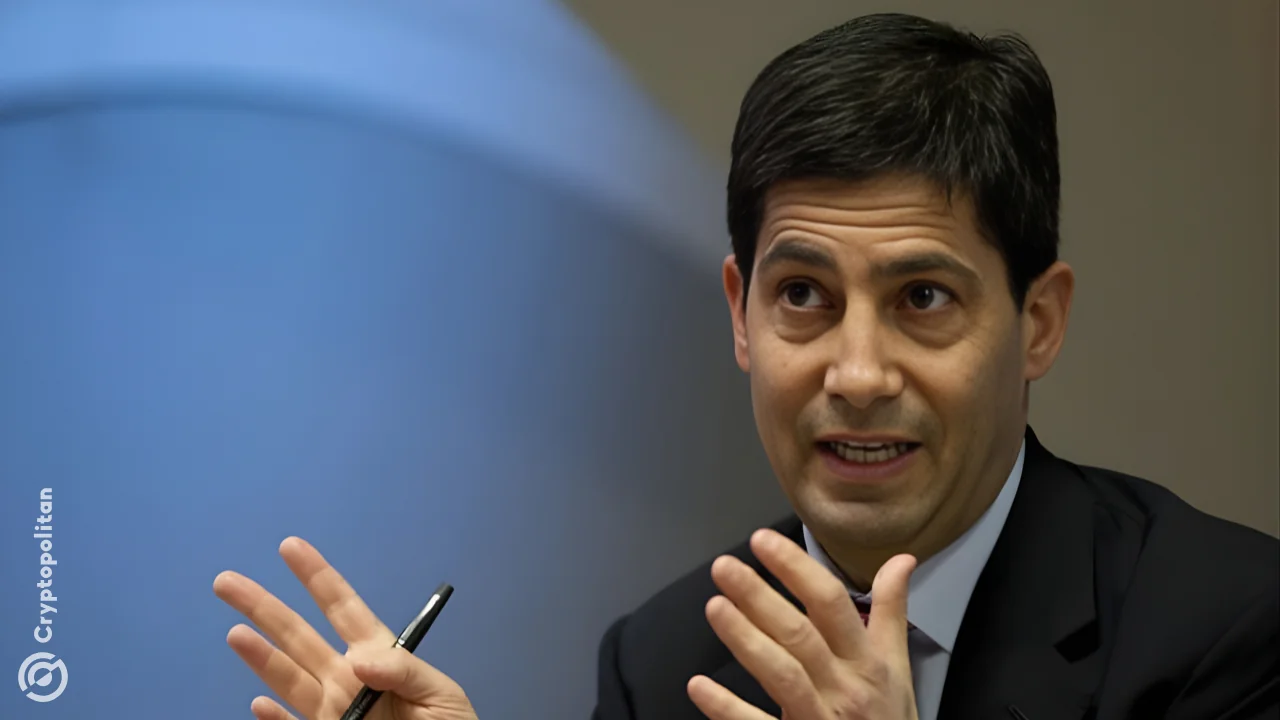


Donald Trump is reportedly planning to swear in Kevin Warsh as the Federal Reserve’s new chairman at the White House on Friday, according to CNBC.
Trump selected Kevin following a recruitment process that started in the summer of 2025 and lasted until last week, when he was confirmed by the Senate following a partisan confirmation battle, as Cryptopolitan had earlier reported. Kevin will replace Jay Powell, who will still be serving as a governor on the Fed Board.
The job comes with political heat, market pressure, and one very clear expectation from Trump: lower interest rates.
But the US unemployment rate is still 4.3%, and rate-cut supporters on the Street say the jobs market is not as strong as it looks and could weaken fast. Fed officials, however, have sounded more worried about prices than layoffs in recent meetings.
Kevin enters the Fed as traders question whether rate cuts can happen
Kevin will become the 11th Federal Reserve chair of the modern era once he is seated, and he will need to sell large parts of his investment portfolio to meet tougher ethics rules now applied to Fed officials.
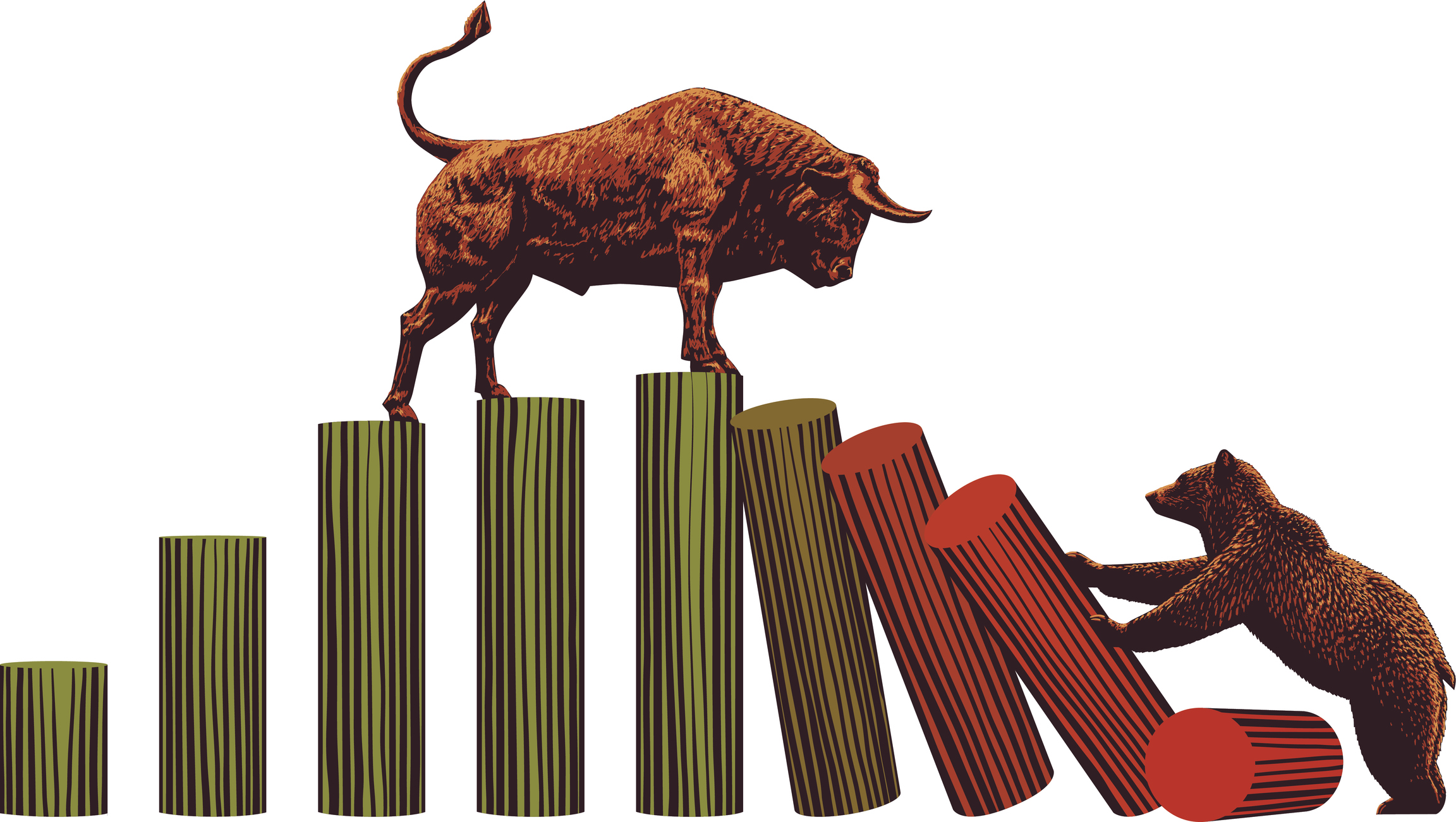
Meanwhile, the bond market is already visibly pushing against the idea that the Fed can cut soon while inflation is still a problem.
Ed Yardeni, head of Yardeni Research, believes Kevin may need to sound tougher than expected if he wants investors to take him seriously. Ed wrote on Monday:
“Warsh is set to chair the June Federal Open Market Committee (FOMC) meeting, but who’s actually in the monetary-policy driver’s seat? We’d argue that it’s the Bond Vigilantes. Warsh is going to be the odd man out. But he is the new Fed chair, and the bond market is reacting badly to his dovish stance.”
The CME Group (CME) FedWatch tool shows traders pricing a 42% chance that the Fed raises rates before the end of the year. Ed thinks the increase could come earlier, and expects no rate change at the June meeting, but said a quarter-point hike is “likely” in July.
Before that, Ed said the Fed may remove the wording in its post-meeting statement that traders read as a sign the next step will be a cut. That would let the Fed sound tougher before it actually raises rates.
“The Fed must catch up to the bond market to avoid losing control of borrowing costs and to appease the Bond Vigilantes,” Ed said. “By now, they might need to see a tightening stance rather than a neutral stance. A surprise FFR rate hike might actually please them!”
Kevin targets the balance sheet as the Fed sits on $6.7 trillion
Then we have the Fed’s balance sheet, which now carries about $6.7 trillion in assets and matching liabilities, including US Treasury securities and mortgage-backed securities, which the Fed bought in size during past economic crises.
The balance sheet also includes the country’s gold holdings and tracks physical US dollars held in banks or kept outside the banking system. Most of today’s total, however, comes from bonds the Fed bought in exchange for cash, and the central bank still keeps those holdings because they help it manage short-term interest rates.
Kevin is expected to look at rule changes and policy tools that could reduce that balance sheet, but that will not be quick.
Shrinking trillions in assets can hit bond markets, bank reserves, mortgage pricing, and liquidity. Fed watchers are likely to judge part of his early record by how far he gets on that issue, per Ed.
But Kevin has already said he believes he can bring broad “regime change” to the central bank, so who knows?
Don’t just read crypto news. Understand it. Subscribe to our newsletter. It’s free.


Read More