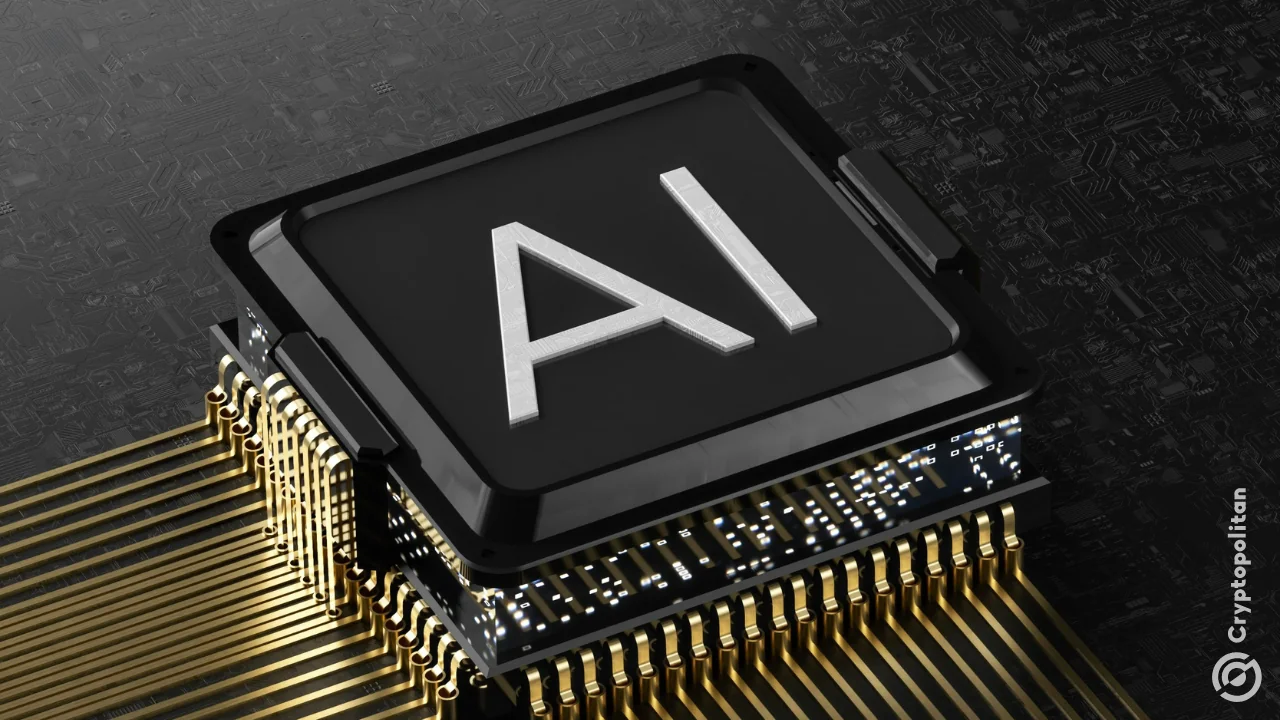


AI company, OpenAI, has announced the purchase of patents from chip startup, Rain AI. This comes after negotiations to buy the company outright collapsed.
The announcement doesn’t state the purchase price, nor does it state how many patents were bought. It’s worth noting that Rain AI has received funding from Sam Altman, the CEO of OpenAI, in the past.
The deal is happening at a time when OpenAI has its hands full with litigation matters. Today, OpenAI asked a federal judge to dismiss Apple’s lawsuit accusing it of pilfering secret hardware trade information.
Thus, the AI company finds itself defending its process of hiring engineers in court while simultaneously enhancing the intellectual property needed to build its own chips.
A takeover that did not materialize
Rain AI nearly became a part of OpenAI, but negotiations collapsed as both parties were unable to agree on a deal. OpenAI, however, left with some of Rain AI’s patents despite not buying the company.
This doesn’t spell good news for the AI startup. The company has lost almost all its staff, and operations have pretty much been brought to a halt.
No announcement has been made about a transfer of employees from Rain to OpenAI, but the transfer of patents makes it easy for OpenAI to keep designs that may come in hand as Rain AI crumbles.
Nobody knows what OpenAI plans to use the patents for. The company has not alluded to any future plans.
The Altman-backed startup
Rain AI is not a new company. It was founded in 2018 and built neuromorphic processing units, its flagship chip built to imitate features of the human brain to save energy and reduce the cost of training AI models.
Sam Altman, CEO of OpenAI, invested in the company with his personal funds. A move that would naturally raise suspicion.
The two companies have history. In 2019, OpenAI signed an LOI to purchase chips to the tune of $51 million once Rain released its chips. However, the chips were never delivered.
Later on, Rain AI ran out of funds, lost its customer base, and began to search for a buyer circa 2025. The company planned to raise money via a Series B round to the tune of $150 million, but it failed.
Locked in a fight with Apple while purchasing silicon
Apple’s suit against OpenAI isn’t news to anyone in the industry. The company claims its former engineers lifted secret hardware information to OpenAI. Apple says 400 of its former engineers are now employed at OpenAI.
OpenAI filed a motion to dismiss this week, arguing that Apple’s own conduct put the company in this position.
OpenAI claims Apple allowed its staff to work through personal iCloud accounts and did not cut off access when those engineers left the company. The company describes this as “residual access.”
Apple is yet to respond to the motion to dismiss, while the court is yet to issue a ruling
The nexus linking the two stories is hardware. The lawsuit with Apple and the purchase of patents from Rain all point towards OpenAI’s desire to create AI-powered devices and AI chips.
OpenAI’s desire for custom chips
OpenAI has been on the trajectory of making custom chips. In June, it launched Jalapeno, a purpose-built inference chip built in collaboration with Broadcom. The company claims this move would cut costs by half.
The move is consistent with other AI labs in America, as companies move to reduce dependence on Nvidia’s GPUs. Anthropic and Meta have recently announced moves to build their own chips.
Don’t just read crypto news. Understand it. Subscribe to our newsletter. It’s free.




Read More