

Scientists have cracked open one of the most neglected corners of aging research, proving in principle that a certain molecular damage that accelerates biological aging is reversible.
Researchers at Revel Pharmaceuticals, working with Calico and the University of Colorado Anschutz Medical Campus, have been able to create an enzyme that strips advanced glycation end products (AGEs)off proteins in aged human tissue.
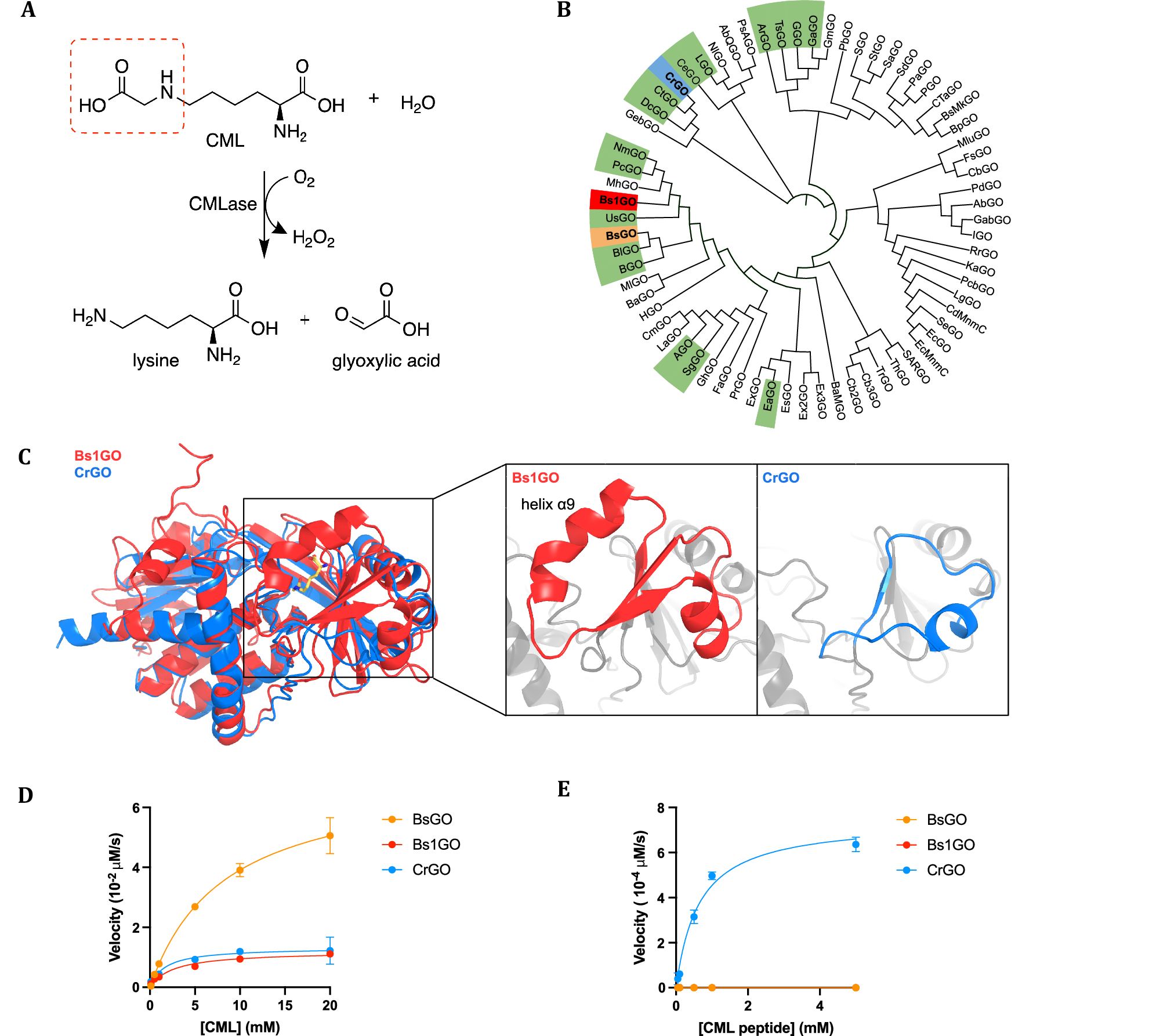
The enzyme targets Nε-carboxymethyl-lysine, or CML, which is the most abundant AGE that builds up on long-lived proteins, such as collagen, elastin, and eye lens proteins, over a lifetime.
The resulting protein modifications of AGEs rather lead to accelerated biological aging. For decades, researchers have viewed AGEs as irreversible.
Earlier efforts against AGEs mostly tried to stop them from forming in the first place by mopping up the reactive molecules that create them. However, the issue with that approach is that it does nothing for the damage already built up over decades.
The new study changes everything here on, moving the problem from something that can only be slowed or prevented to something that can actually be repaired.
The enzyme created by the Revel team, which is called CMLase, oxidizes the CML modification and hands the protein back its original lysine residue.
“We believe you can remove CML damage enzymatically,” says Revel’s CEO
The enzyme was found after the researchers had screened about 45,000 protein structures and also subjected them to five rounds of directed evolution across more than 500 million variants just to strengthen its oxidase activity, according to the report.
The experiments were done ex vivo, on excised human tissue rather than in a living body. The team compared tissue from young donors, aged 20 to 25, against a 75-year-old donor, then treated it.
CML fell by more than 70% in arterial tissue, more than 55% in skin, and somewhere between 45% and 78% in lens proteins, depending on how it was measured.
In the aorta of the 75-year-old, the treatment pulled CML down to levels the team says look like those of a roughly 30-year-old.
“We believe you can remove [CML damage] enzymatically, by going in and developing these lawnmower enzymes that can just cut and clip these changes off of the proteins,” said Aaron Cravens, Revel’s cofounder and CEO.
Don’t just read crypto news. Understand it. Subscribe to our newsletter. It’s free.




Read More