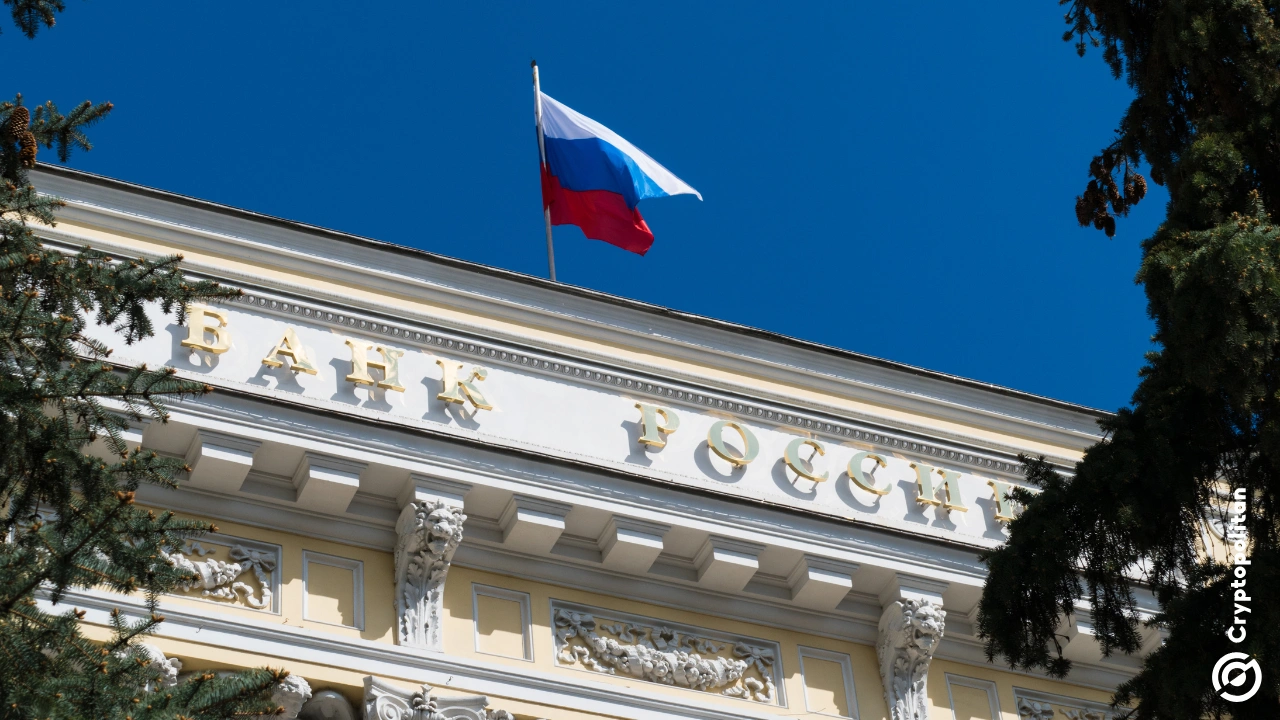


Russia’s monetary authority has proposed additional regulations for cryptocurrency exchanges as well as requirements for digital-asset depositories operating in the country.
The specific rules, which also cover the registration of such platforms, will complement the recently adopted “digital currency” law, which is set to enter into force in September.
Bank of Russia drafts regulations for new crypto market
The Central Bank of Russia (CBR) has published draft rules necessary for the upcoming launch of the nation’s regulated cryptocurrency market.
The substatutory provisions concern key participants in the business such as providers of crypto exchange and storage services as well as coin issuers.
In a press release posted on its website, the regulator stated it has now “created conditions for organized trading in digital currencies and digital rights.”
Linking to the respective directive, which is yet to be finalized, the authority noted it will allow each crypto exchange to set out its own trading procedures.
These platforms will also be permitted to independently calculate the market value and weighted average prices for the alternative financial instruments they are trading.
In a separate document, the CBR listed requirements for digital depositories, a new type of organization that will keep records of cryptocurrency holdings and transactions.
The latter should have minimum equity of between 50 million and 250 million rubles (roughly $600,000 to $3 million), depending on the nature of their activities.
A key factor in determining the required capital will be whether they work with open distributed ledgers or provide post-trade settlement services, the bank explained, elaborating:
“The assets making up the equity should be liquid, and the financial assets included therein should be of high credit quality.”
Russian regulators have also proposed a set of rules for opening and maintaining digital currency and other accounts that will be used by players in the industry.
“All draft regulations have been published for regulatory impact assessment,” the central bank emphasized in its announcement.
Russia to duly register crypto market participants
The documents released by the monetary policy body in Moscow will supplement the recently adopted law “On Digital Currency and Digital Rights.”
The delayed legislation, Russia’s first attempt at comprehensive crypto regulation, was finally passed by the lower house of parliament, the State Duma, earlier in July.
Bill No. 1194918-8, which still needs the approval of the Federation Council, the upper house, and President Putin’s signature to become law, is set to enter into force on September 1, 2026.
One of the main objectives of the new directives is to affirm the Bank of Russia’s authority to register crypto market participants, as noted in a report by the official TASS news agency.
The CBR will be responsible for introducing the procedures for establishing and maintaining the respective registers of the operators of platforms used to issue, store and trade cryptocurrencies.
“The Bank of Russia Instruction stipulated in the draft applies to operators operating in accordance with the requirements established by the Federal Law ‘On Digital Currencies and Digital Rights,’ digital currency exchange organizations, and digital depositories,” the documents emphasize.
While the main part of the package will come into force this fall, a number of more specific provisions are scheduled to take effect in the second half of next year.
Members of the Russian crypto industry, such as brokers, management firms and clearing houses, expect regulated activities to begin late this year.
They will enjoy a transitional period, until March 1, 2027, that will allow them to fully comply with the regulations and obtain all the necessary approvals.
The framework grants Russian citizens and companies legal access to cryptocurrencies, although non-qualified investors will be able to buy only the most liquid and capitalized assets such as Bitcoin (BTC), Ethereum (ETH) and Tether’s USDT, and their purchases will be subject to a $4,000 annual limit.
The smartest crypto minds already read our newsletter. Want in? Join them.



Read More