
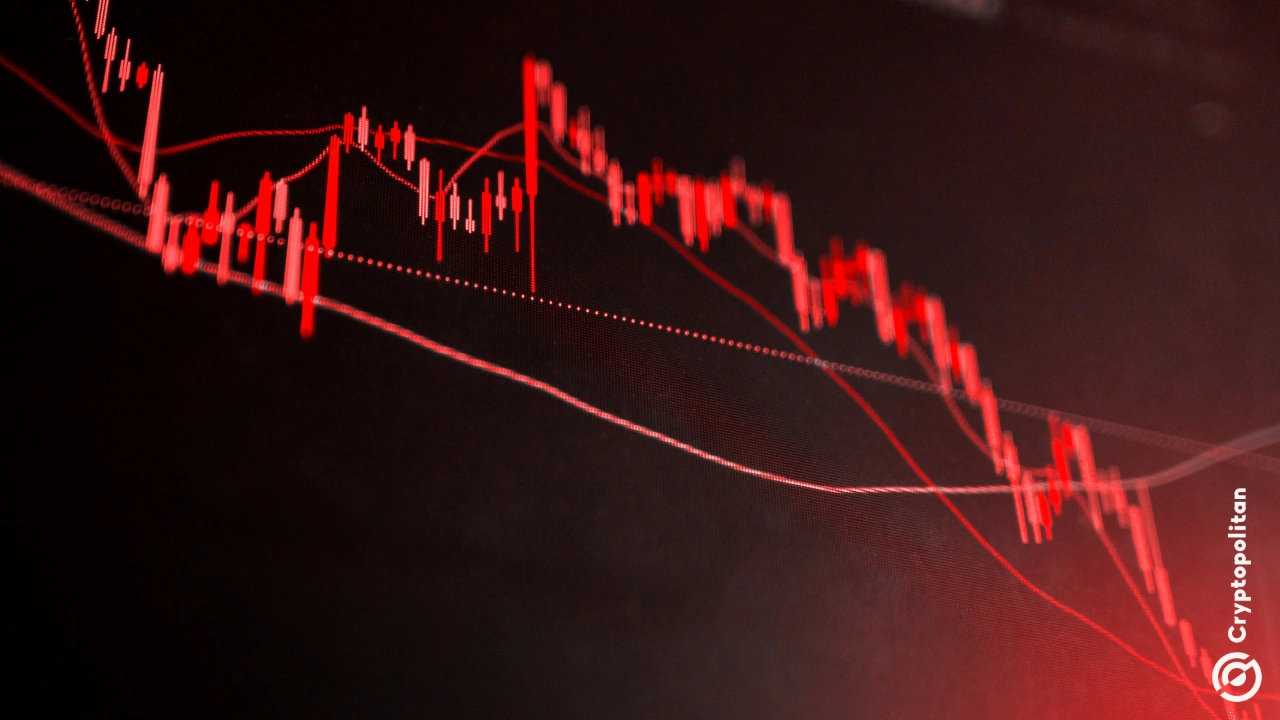


Shares of SpaceX went below their offer price of $135 on Wednesday for the very first time since its IPO in June, demonstrating that no record-setting IPO can remain untouched once the excitement of the first day of trading has passed.
Anyone who purchased the stock after its IPO might find the ride painful. On Wednesday (July 15), the stock reached an intraday low of about $132 before rallying to close right above the offer price of about $135.27.
The stock finished trading on Wednesday down about 0.6%. Business Insider said the stock hit an intraday low of $132.15 on Wednesday and closed at $135.28, which is about 40% off the high of $225.64 that the stock achieved shortly after its public debut last month.
That high is the essence of the story. SpaceX set its price, went public, soared, and has been shedding its gains for weeks. Its public debut happened on June 12th, and Business Insider reported a valuation at $85.7 billion, resulting in a market capitalisation exceeding $2 trillion.
Reports from InvestingLive put the highest valuation at over $2.6 trillion, but it eventually stabilised at around $1.78 trillion by Wednesday afternoon. SpaceX has plummeted by around 13% ever since its inclusion in the Nasdaq 100 and its inclusion did not help to stop the decline.
Why the sellers showed up
As per the analysts quoted by InvestingLive, the reason why the stock has declined can be attributed to a familiar cluster: traders booking profits, unwinding of many bullish bets that were made following the listing and worries about how SpaceX finances its ambitions.
The company had issued bonds worth $25 billion in a bid to pay for its ambitions in the field of artificial intelligence, but the opinion on Wall street about the efficacy of this expenditure remains divided. In addition, the upcoming Federal Reserve rate hikes are creating further pressure on the overvalued tech companies.
There is also not much left to support the price. The underwriters already fully utilized the green shoe feature, which allows them to buy additional shares to stabilize the performance of a new stock. So, there is no space left for any intervention. Doubters point to a last year’s loss of $4.9 billion and many unfulfilled ambitions.
The bears are getting louder. “All we have is hope right now but hope isn’t a business strategy,” Keith Snyder, a CFRA Research analyst with a sell rating on the stock, told Business Insider. He said he wants to see growth actually arrive before turning more positive.
The projections still point up, mostly
The long-term forecasts shared by Wall Street show a more cheerful picture, revealing where the crux of the matter is. Morgan Stanley, one of the major underwriters of the deal, puts the target price of the stock at $300 for the next 12 months. Meanwhile, JPMorgan suggests that the stock will reach the price of $225 by the end of 2027.
The most pessimistic, and at the same time, the most cautionary estimate comes from Morningstar, which puts the value of the stock at $63—well below its current price. The supporters of SpaceX claim that the company deserves its high price owing to the fact that it is one of the leaders and pioneers in providing launch services as well as operating the Starlink network. Critics, in their turn, raise doubts over the issue of valuation, governance, and the willingness to pay for future possibilities.
The existence of such pricing power underlying those bullish cases has already been put into doubt by a previous report from Cryptopolitan. A working paper released earlier this month by economist Akhil Rao, and which is available on arXiv, claims that SpaceX’s Falcon 9 costs to launch a satellite are likely to have dropped by 70% between 2012 and 2026, while the price of the launch had only dropped by approximately 6% in real terms. This means that cost savings have been capitalized on by SpaceX’s owned Starlink instead of being passed onto consumers. Now the market is re-evaluating the company’s vertical integration, whether it is beneficial or a disadvantage.
A wider cooling in AI listings
SpaceX is not collapsing by itself. Business Insider has suggested that the current development signifies the end of the so-called honeymooning period of AI listings that has defined 2026 so far. SK Hynix, which ranked as the largest foreign IPO in the US at $26.5 billion, has also fallen below the initial price of $170 per share.
Cerebras surged by 109% at the beginning before getting back almost half of the value. Meanwhile, CoreWeave’s stock was up almost 400% from the 2025 offering price before losing most of those gains and currently remains far below its peak. All the examples share the same pattern of rise, fade, and falling stock left in between the price and listing prices.
The ensuing developments concerning SpaceX are certain. The company will be announcing its first earnings report as a publicly listed entity in the first week of August, followed by the expiry of the initial lock-up period allowing employees and early investors to cash in their stakes, thus increasing the supply of an already underperforming stock.
In addition, investors will be expecting the next test flight of the Starship, the vehicle that is crucial to the company’s plans concerning both its satellites and AI-based infrastructure, including the establishment of data centers in orbit and the launch of missions to the Moon.
The smartest crypto minds already read our newsletter. Want in? Join them.


Read More


