

The Trump administration rolled out a broad legislative plan on Friday that would set one nationwide standard for artificial intelligence, stripping states of the ability to write their own AI laws while putting in place safety rules around the fast-moving technology.
The White House said the move is meant to protect children and prevent communities from being hit with steep energy bills tied to AI infrastructure growth.
The announcement follows steps taken in December, when President Trump threatened to cut off federal broadband money from any state whose AI laws his administration decides are slowing down American leadership in the field.
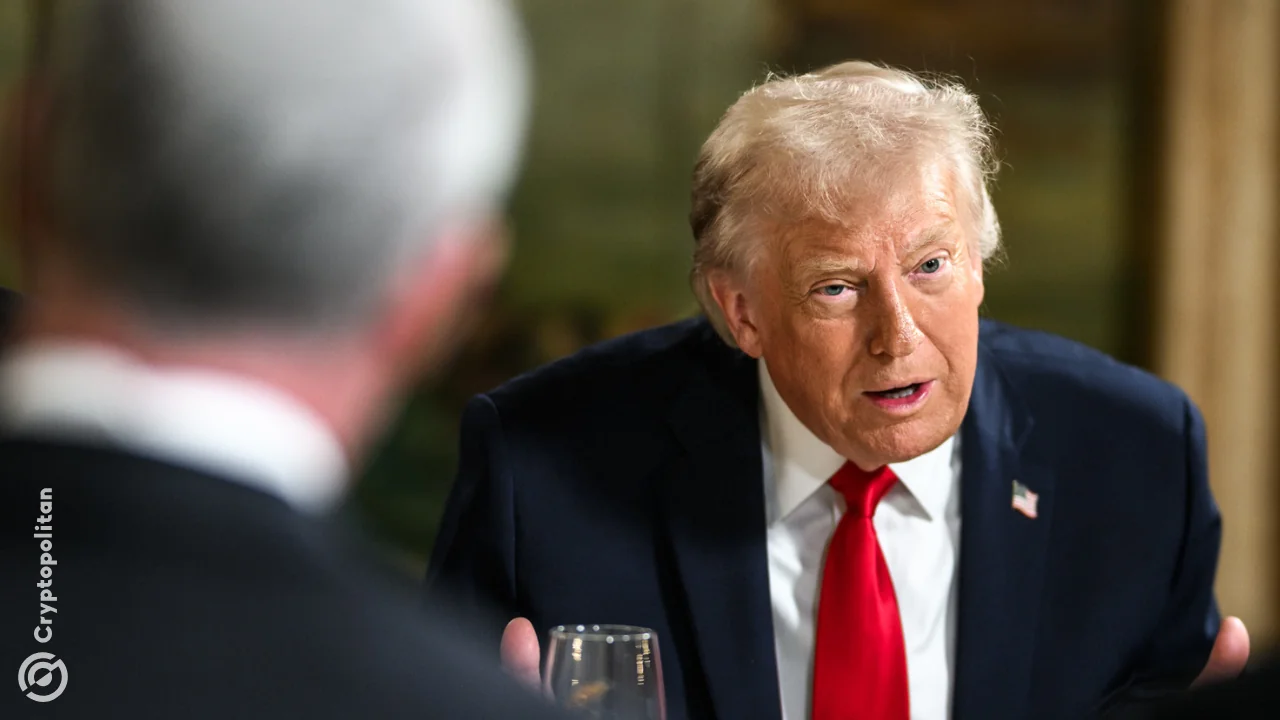
At a signing ceremony that month, Trump made his position plain.
“We want one central source of approval, and we have great Republican support,” Trump said. “I think we probably have Democrat support too, because it’s common sense. Every time you make a change, and it could be a very reasonable change, you still won’t get it approved if you have to go to 50 states. This centralizes it.”
AI has become a massive money-maker for the tech industry in recent years.
Chip company Nvidia has risen to become the world’s most valuable company on the back of AI demand, while Amazon, Meta, Alphabet, and Microsoft have each poured billions of dollars into the sector.
The White House said it plans to work alongside Congress to turn this new framework into actual law.
Six areas, one goal
The administration outlined six areas the framework is designed to cover.
On child safety, the plan would give parents direct control over their children’s accounts and devices to guard their privacy, and would add tools to fight sexual exploitation and self-harm risks online.
For communities across the country, the framework calls on Congress to cut through red tape so that data centers, which consume enormous amounts of electricity, can produce their own power on site.
It also asks for stronger government tools to tackle AI-powered scams and national security threats.
On intellectual property, the White House said it wants an approach that lets AI companies grow while still protecting the rights and identities of American creators and publishers.
Free speech is also addressed. The plan includes steps to stop AI systems from being used to suppress or silence lawful political views or public disagreement.
To keep the United States ahead in the global AI race, the framework aims to remove roadblocks to building advanced AI systems.
China’s Alibaba is among the international players also chasing AI dominance.
Lastly, the administration wants Congress to invest in job training programs so that American workers can benefit from the economic gains AI is expected to bring.
States push back
Michael Kratsios, Trump’s science and technology adviser and head of the White House Office of Science and Technology Policy, summed up the reasoning in a statement to The Daily Signal.
“We need one national AI framework, not a 50-state patchwork,” he said.
In a Thursday evening interview with Fox News, Kratsios added that the administration believes it can get support from both parties to pass the framework into law before the end of the year.
Getting there will not be easy. Several states, including New York and California, have already moved to put their own AI rules in place as concerns grow about the technology’s wider effects.
New York Attorney General Letitia James pushed back against the federal effort to limit state authority.
“It has always been collaboration, not conflict, between state legislatures and Congress that yielded some of the most critical federal legislation in our country’s history,” James said during a briefing with reporters.

The White House defended its position, saying in its official release that a “patchwork of conflicting state laws would undermine American innovation and our ability to lead in the global AI race,” and that only the federal government is in a position to set a consistent policy that works across the whole country.
The smartest crypto minds already read our newsletter. Want in? Join them.




Read More