$250,000 Bounty Paid After Researcher Finds XRP Ledger Flaw Risking 18 Trillion XRP



The XRP Ledger Foundation says the network’s 100 billion token supply remains intact after a critical vulnerability was found and fixed.
The XRP Ledger Foundation disclosed this week that it patched a serious vulnerability capable of generating an estimated 18 trillion XRP tokens. That figure dwarfs the network’s hard-capped supply of 100 billion XRP, which has remained fixed since the ledger’s creation.
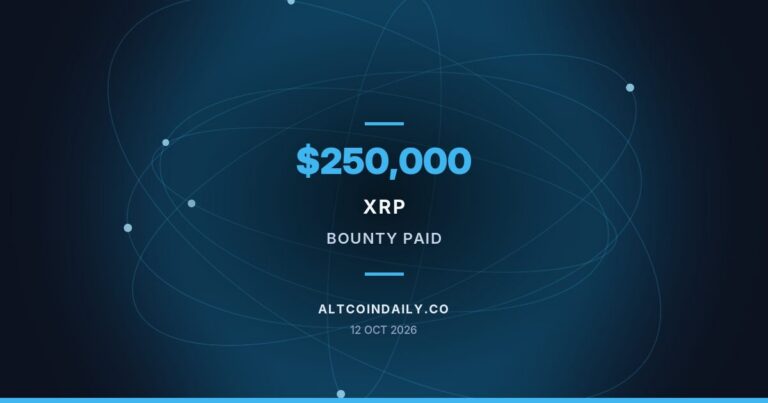
The foundation paid a $250,000 bounty to the security researcher who identified and reported the flaw, according to reporting from CoinTurk News. Bug bounty programs are standard practice across blockchain networks, rewarding external researchers for finding vulnerabilities before they can be exploited maliciously.
Following initial reports of the bug, the XRP Ledger Foundation issued a public statement addressing community concerns, as covered by U.Today. The foundation said it had been investigating the issue and wanted to clarify the scope of the risk before speculation spread further.
In a separate update reported by crypto.news, the foundation confirmed that the existing 100 billion XRP supply was never actually altered or put at risk. The vulnerability represented a theoretical exploit path rather than an event that had already occurred. No unauthorized tokens were created, and the fixed-supply model central to XRP’s economic design remained intact throughout the process.
The scale of the potential exploit, 18 trillion tokens against a real supply of 100 billion, underscores why the bug drew significant attention once details began circulating. A flaw of that magnitude, if exploited, could have fundamentally undermined confidence in XRP’s scarcity model. Fixed-supply tokenomics are a core selling point for many cryptocurrencies, including XRP, and any credible threat to that model tends to draw close scrutiny from holders and developers alike.
Details on the precise technical mechanism behind the vulnerability have not been fully disclosed in public reporting so far. What is established is that the bug was identified, reported through proper channels, and remediated before any tokens were improperly minted. The bounty payment reflects the standard incentive structure used across the industry to encourage responsible disclosure rather than exploitation.
The XRP Ledger has operated since 2012 and is maintained by a network of validators alongside the XRP Ledger Foundation, which coordinates development and security efforts. Bugs affecting core supply mechanics are rare but carry outsized stakes, since any successful exploit could alter the fundamental economics of the asset for every holder.
Market Impact
Security disclosures involving core supply mechanics can weigh on market sentiment, even when the underlying issue is resolved without actual harm. Traders and long-term holders of XRP often watch such events closely, since confidence in a fixed supply underpins valuation models for the asset.
Because the foundation has stated the 100 billion supply was never compromised, the immediate market impact may be limited to short-term sentiment rather than any structural change in XRP’s tokenomics. Continued transparency from the foundation about the technical details of the fix is likely to shape how the broader market and developer community interpret the incident going forward.
The episode highlights the ongoing importance of rigorous security auditing and bug bounty programs for established blockchain networks. With the vulnerability patched and the XRP supply confirmed intact, attention now shifts to whether the foundation will release further technical details on the exploit.
Frequently Asked Questions
What was the XRP Ledger bug?
A vulnerability was found that could have theoretically allowed the creation of up to 18 trillion XRP tokens, far exceeding the network’s fixed supply of 100 billion.
Was any extra XRP actually created?
No. The XRP Ledger Foundation confirmed the 100 billion token supply remained unchanged and the bug was fixed before it could be exploited.
How much was paid for discovering the bug?
The XRP Ledger Foundation paid a $250,000 bounty to the researcher who reported the vulnerability.
Who oversees security for the XRP Ledger?
The XRP Ledger Foundation coordinates development and security efforts for the network, which has operated since 2012.
Original source: AltcoinGordon
Syndicated coverage. Originally reported by altcoingordon.com.





Read More