Binance Disputes ShinyHunters’ Claim of 335 Million User Data Breach



The exchange says the alleged leak of hundreds of millions of user records is likely a fabricated scam.
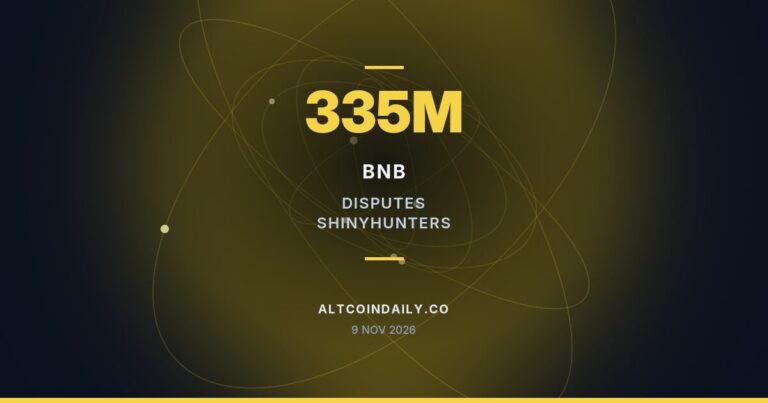
Binance has publicly rejected a claim that hackers stole data belonging to 335 million of its users. The claim was attributed to a group or individual using the name ShinyHunters. One report put the figure at 335.9 million lines of data, though the overall scale cited across sources was consistent at roughly 335 million.
Binance responded directly to the allegation, calling it a likely scam. The exchange did not describe the claim as a confirmed breach of its systems. Instead, it framed the incident as part of a pattern of fabricated or exaggerated hacking claims that circulate periodically in the crypto industry.
ShinyHunters is a name that has surfaced in connection with various data breach claims across different industries over the years. Groups operating under this label have previously taken credit for large-scale data leaks involving corporate and consumer information. Attribution in these cases is often difficult to verify independently, and claims are not always accompanied by data that can be checked against real records.
For a major cryptocurrency exchange, allegations of a user data breach carry significant weight regardless of their accuracy. Binance holds personal and financial information for millions of account holders worldwide. Any suggestion that this data has been compromised can trigger concern among users, even before the claim is substantiated.
The exchange’s decision to publicly label the claim as a probable scam reflects a broader challenge facing crypto platforms. Bad actors sometimes use fabricated breach announcements to extort companies, manipulate markets, or damage reputations. Distinguishing a genuine security incident from a hoax often takes time and technical investigation.
Binance has not detailed the specific evidence it used to reach its conclusion, based on the available reporting. Security researchers and users will likely watch for further verification, including whether any of the claimed data surfaces publicly or matches real account information. Until independent verification emerges, the claim remains unconfirmed as a genuine breach.
Market Impact
News of an alleged data breach at a major exchange can unsettle users and prompt short-term caution, even when the claim is disputed. Binance’s swift public denial appears aimed at limiting reputational damage and preventing panic among account holders.
For the broader crypto industry, the episode underscores the recurring risk of false or unverified hacking claims targeting high-profile platforms. Exchanges and custodians remain frequent targets for both real attackers and opportunistic actors seeking attention or leverage, making rapid, transparent communication an important tool for managing user trust.
As of now, Binance maintains that the alleged 335 million user data breach is most likely a scam rather than a verified security incident. Further details may emerge as the claim is scrutinized by security researchers and other parties.
Frequently Asked Questions
What did ShinyHunters claim?
The group or individual known as ShinyHunters claimed to have breached Binance and obtained data belonging to roughly 335 million users, with one report citing 335.9 million lines of data.
How has Binance responded?
Binance has publicly stated that the claim is likely a scam, rather than confirming any actual compromise of its systems or user data.
Is the breach confirmed?
No. Based on available reporting, Binance disputes the claim and no independent verification of the alleged stolen data has been reported.
Who is ShinyHunters?
ShinyHunters is a name associated with claims of large-scale data breaches across multiple industries, though attribution for such claims can be difficult to confirm.
What should Binance users do in response to this claim?
Users should follow official updates from Binance and remain cautious of unverified claims, while the exchange’s investigation into the matter continues.
Original source: AltcoinGordon
Syndicated coverage. Originally reported by altcoingordon.com.




Read More