DOJ Moves to Seize $61M in Iranian Oil Proceeds Tied to Binance Accounts

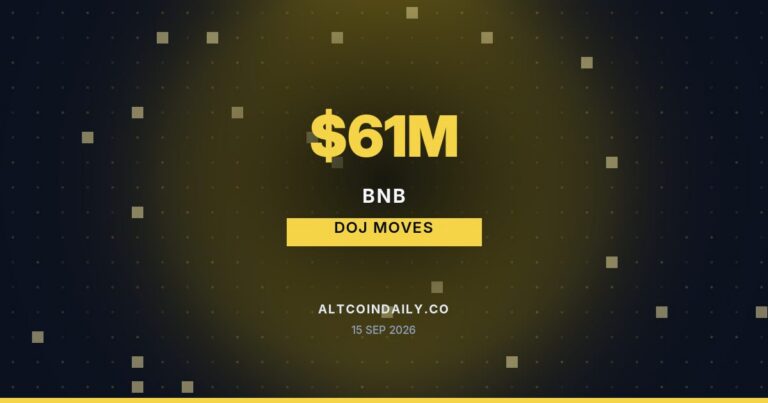


Federal prosecutors say the funds moved through Binance accounts the department had previously cleared as compliant.
The Department of Justice has asked a federal court to seize approximately $61 million in funds it says represent proceeds from Iranian oil sales. Prosecutors allege the money was laundered through accounts held on Binance, the world’s largest cryptocurrency exchange by trading volume.
According to reports from BeInCrypto and CoinGape, the forfeiture action centers on accounts that DOJ had previously vouched for in some capacity. Neither outlet detailed the exact nature of that earlier assurance. The apparent contradiction between past clearance and current forfeiture action is a central point of the story.
Iran has been under extensive U.S. sanctions for years, including restrictions targeting its oil exports. Proceeds from sanctioned oil sales are a frequent target of Treasury and Justice Department enforcement, since they can fund activities barred under U.S. law. Cryptocurrency exchanges have increasingly become conduits examined in these cases, given the speed and relative anonymity crypto transfers can offer compared to traditional banking.
Binance has faced heightened regulatory attention since 2023, when it reached a landmark settlement with the U.S. government over Bank Secrecy Act and sanctions violations. That settlement included a $4.3 billion penalty and required the exchange to overhaul its compliance programs. Founder Changpeng Zhao pleaded guilty as part of that resolution and later stepped down as chief executive.
This new forfeiture filing suggests that despite those reforms, questions remain about how funds tied to sanctioned entities moved through Binance’s platform. It is not yet clear from available reporting whether the accounts in question were opened before or after the 2023 settlement, or whether Binance itself faces additional liability in this specific case.
Forfeiture actions of this kind typically proceed through civil proceedings separate from criminal charges. The government must demonstrate that the targeted funds are traceable to illicit activity, in this case alleged sanctions violations connected to Iranian oil revenue. If successful, the funds would be seized by the U.S. government rather than returned to the account holders.
The case underscores a broader pattern of U.S. authorities using asset forfeiture as a tool against sanctions evasion involving digital assets. It also highlights the tension between crypto exchanges’ compliance obligations and their historical use by parties seeking to move restricted funds across borders.
Market Impact
The forfeiture filing is unlikely to have an immediate effect on Binance’s trading volumes or token prices, given the relatively contained dollar amount involved. However, it reinforces ongoing regulatory scrutiny of centralized exchanges’ compliance frameworks, particularly around sanctions enforcement.
For the broader crypto industry, the case may prompt other exchanges to reassess account monitoring tied to sanctioned jurisdictions. Continued DOJ action against Binance, even after its 2023 settlement, could keep the exchange under a compliance spotlight that affects institutional partnerships and regulatory negotiations in other jurisdictions.
The forfeiture action shows U.S. authorities continuing to pursue sanctioned funds moving through major crypto exchanges, even after prior compliance settlements. Further details on the specific accounts and DOJ’s earlier assurances may emerge as the case proceeds.
Frequently Asked Questions
What is the DOJ trying to seize?
The DOJ is seeking forfeiture of about $61 million it alleges represents proceeds from Iranian oil sales, moved through Binance accounts.
Why does this involve Binance specifically?
Prosecutors say the funds were laundered through accounts held on Binance, and that DOJ had previously vouched for those accounts in some capacity, according to BeInCrypto and CoinGape.
Has Binance faced U.S. enforcement before?
Yes. Binance settled with U.S. authorities in 2023 for Bank Secrecy Act and sanctions violations, paying a $4.3 billion penalty and agreeing to compliance reforms.
What happens if the forfeiture is granted?
If a court grants the DOJ’s request, the targeted funds would be seized by the U.S. government rather than returned to the account holders.
Original source: AltcoinGordon
Syndicated coverage. Originally reported by altcoingordon.com.



Read More