Futures Open Interest Collapses as Massive Bitcoin Short Squeeze Unfolds

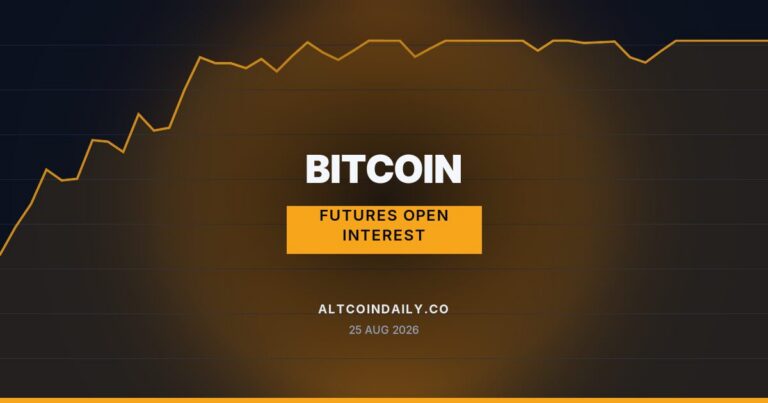


A rapid decline in futures open interest points to forced liquidations among traders betting against bitcoin.
Bitcoin futures markets are working through a significant short squeeze, with open interest collapsing across major contracts. Both CoinDesk and CryptoBriefing reported the development on the same day, describing an episode traders are calling notable in scale.
A short squeeze occurs when traders who have bet against an asset’s price are forced to buy it back to close their positions. That buying pressure can push prices higher, which in turn forces more short sellers to cover, creating a feedback loop. The collapse in open interest suggests many of these positions have already been unwound.
Open interest measures the total value of outstanding futures contracts that have not been settled. A sharp drop usually signals that positions are being closed at scale, either through voluntary exits or forced liquidations. When that drop coincides with rising spot prices, it is a strong indicator that short sellers bore the brunt of the move.
Derivatives markets have become central to bitcoin price discovery in recent years. Futures and perpetual swap contracts, often traded with significant leverage, allow traders to take outsized positions relative to their capital. That leverage magnifies gains during favorable moves but also accelerates losses when the market turns, which is precisely the dynamic behind a short squeeze.
The scale of this particular squeeze has drawn attention because of how quickly open interest fell. Rapid unwinding of that magnitude typically reflects a cascade of margin calls, where exchanges automatically liquidate positions once collateral falls below required thresholds. Each liquidation can add further upward pressure on price, compounding the effect for remaining short positions.
Neither report detailed the specific price levels or dollar amounts involved in the collapse. What is clear from both accounts is that the shift in positioning has been substantial enough to draw comparisons to some of the more dramatic squeezes seen in bitcoin’s trading history.
Market Impact
Short squeezes of this kind can produce sharp, fast price moves that are not necessarily driven by new fundamental information. Traders and analysts often watch these episodes closely because they can reset market positioning, leaving fewer short bets in place afterward. That can reduce a source of selling pressure that would otherwise weigh on price during subsequent rallies.
The broader derivatives market may see reduced leverage in the near term as traders reassess risk following forced liquidations. Exchanges and risk managers typically respond to such events by tightening margin requirements, which can dampen volatility but also reduce trading volume until confidence in positioning returns.
The collapse in bitcoin futures open interest underscores how leveraged derivatives can drive sudden price action independent of spot market fundamentals. Traders will likely watch positioning data closely in the coming days to gauge whether the squeeze has fully run its course.
Frequently Asked Questions
What is a short squeeze in bitcoin futures markets?
A short squeeze happens when traders betting on falling prices are forced to buy back contracts to close their positions. That buying can push prices up further, triggering additional forced closures in a self-reinforcing cycle.
Why does falling open interest matter?
Open interest tracks the total value of active, unsettled futures contracts. A sharp decline signals that traders are exiting positions quickly, often through liquidations rather than voluntary trades.
Does a short squeeze reflect a change in bitcoin’s fundamentals?
Not necessarily. Short squeezes are driven by positioning and leverage in derivatives markets, and can occur without any new fundamental news about bitcoin itself.
What typically happens after a major short squeeze?
Exchanges often tighten margin requirements and traders reduce leverage temporarily. Volatility may persist in the short term as the market absorbs the shift in positioning.
Original source: AltcoinGordon
Syndicated coverage. Originally reported by altcoingordon.com.

Read More