US Dollar Hovers Near Multi-Month Lows as Debt Concerns Weigh on Sentiment



Investors remain cautious as fiscal worries keep the greenback pinned down
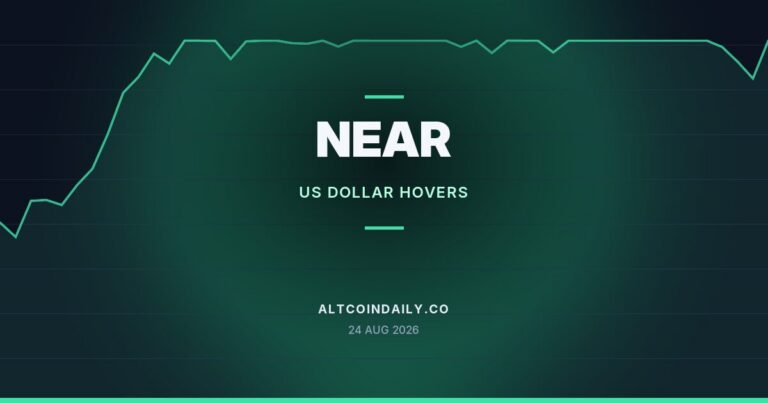
The US dollar is trading close to its weakest levels in several months. Two outlets, CryptoBriefing and Yahoo Finance, reported the currency’s decline on August 24, 2026. Both cited concerns over US government debt as the main pressure point for investors.
Currency markets often move on shifts in fiscal outlook. When debt worries grow, investors sometimes reassess the long-term value of a currency tied to that debt. This appears to be the case with the dollar’s recent slide, according to the reports.
Yahoo Finance described investors as unsettled by what it called debt nerves. CryptoBriefing framed the situation similarly, noting the dollar’s proximity to multi-month lows. Neither outlet specified an exact level or percentage decline, but both agreed on the underlying cause.
A weaker dollar carries broad implications beyond currency trading desks. It affects import and export prices, corporate earnings for multinational firms, and the relative appeal of dollar-denominated assets. Investors watching bond yields and Treasury auctions often treat dollar weakness as a signal of shifting confidence in US fiscal management.
Debt concerns are not new to financial markets. Rising government borrowing, growing interest payments, and political debates over spending have periodically pressured the dollar in recent years. What distinguishes the current episode, according to the two reports, is the persistence of the weakness near multi-month lows rather than a brief dip.
For market participants, the dollar’s trajectory matters well beyond foreign exchange desks. A sustained decline can influence commodity prices, since many raw materials are priced in dollars globally. It can also shape decisions by central banks managing their own currencies relative to the greenback.
The reports did not specify which debt-related developments triggered the latest move. Whether it was a specific fiscal announcement, a Treasury auction result, or broader macroeconomic sentiment remains unclear from the available information. Analysts typically watch for confirmation through bond yield movements and subsequent currency data in the days following such reports.
Market Impact
A weaker dollar has historically coincided with increased interest in alternative assets, including cryptocurrencies, as some investors seek exposure outside traditional fiat currencies. If the trend continues, market participants may watch for correlated moves in Bitcoin and other digital assets often framed as inflation or debasement hedges.
Broader financial markets, including equities and commodities, could also see indirect effects. A sustained dollar decline tends to lift the value of dollar-priced commodities like oil and gold, while affecting the earnings outlook for US companies with significant overseas revenue.
The dollar’s slide near multi-month lows underscores ongoing investor unease over US fiscal conditions. Further data and market reaction in coming days will likely clarify whether this weakness persists or proves temporary.
Frequently Asked Questions
Why is the US dollar trading near multi-month lows?
Reports from CryptoBriefing and Yahoo Finance attribute the weakness to investor concerns over US government debt levels.
How does a weaker dollar affect cryptocurrency markets?
A declining dollar sometimes increases interest in alternative assets like Bitcoin, which some investors view as a hedge against currency depreciation, though this relationship is not guaranteed.
What specific debt concerns are driving the dollar’s decline?
The available reports did not specify a particular fiscal event, only that broader debt-related anxiety is unsettling currency investors.
Could the dollar’s weakness affect other financial markets?
Yes, dollar weakness can influence commodity prices, bond yields, and the earnings of multinational companies, given the currency’s central role in global trade and finance.
Original source: AltcoinGordon
Syndicated coverage. Originally reported by altcoingordon.com.


Read More