US Treasury Reportedly Doubles Debt Buyback Program Amid Bond Market Jitters

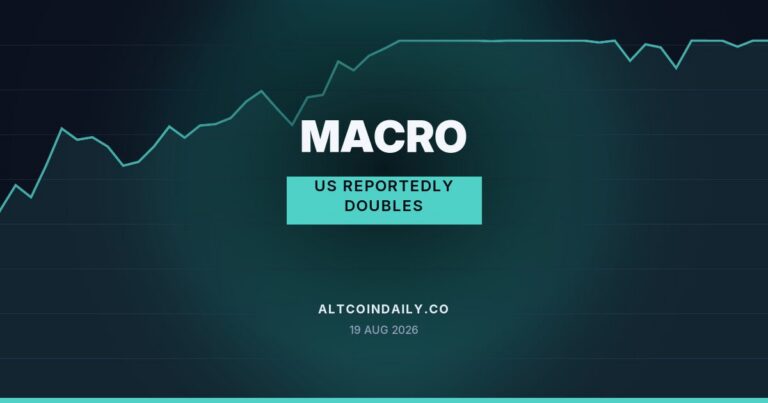


Yahoo Finance reports the Treasury has expanded its buyback operations to calm rate volatility as inflation concerns persist.
The US Treasury has expanded its debt buyback program, doubling its scope in an attempt to calm turbulence in the government bond market, Yahoo Finance reported. The report ties the decision to persistent inflation concerns that have kept investors on edge about the path of interest rates.
Treasury buybacks involve the government repurchasing older, less liquid bonds from the open market. The Treasury replaces them with newer issuances that trade more easily. The program was revived in 2024 after decades of dormancy, aimed at smoothing out liquidity gaps in the world’s largest bond market.
Liquidity has become a growing worry for policymakers. Large swings in Treasury yields can ripple through mortgage rates, corporate borrowing costs, and global asset prices. A more liquid bond market generally makes it easier for the Treasury to issue debt without triggering outsized price swings.
Inflation fears have added pressure to this dynamic. When investors expect prices to rise faster than anticipated, they often demand higher yields to compensate for eroded purchasing power. That dynamic can push bond prices down and increase borrowing costs across the economy.
Doubling the buyback program suggests the Treasury sees a heightened need to intervene directly in market functioning. Yahoo Finance’s report did not specify the dollar figures involved or a timeline for the expanded operations. It also did not detail which maturities of debt would be targeted for repurchase.
The Treasury has used buybacks periodically over the past year as a liquidity management tool rather than as a monetary policy lever. Unlike Federal Reserve actions, buybacks do not directly target interest rates. They instead aim to improve the functioning of secondary markets, where existing bonds are traded among investors.
Market participants often watch such technical adjustments as signals of underlying stress. A larger buyback program can indicate that officials are seeing early signs of strain in Treasury market liquidity, even if broader borrowing costs remain stable for now.
Market Impact
If confirmed and sustained, a larger buyback program could ease some volatility in Treasury yields by absorbing less-liquid securities from the market. This may help stabilize borrowing costs for consumers and businesses that are indirectly tied to government bond yields, including mortgage rates.
However, the underlying driver — inflation concern — remains unresolved by this technical measure alone. Investors will likely continue watching inflation data and Federal Reserve commentary for clearer signals on the interest rate outlook. Crypto and equity markets, which often react to shifts in bond yields and liquidity conditions, could see indirect effects if Treasury market stress eases or persists.
The reported expansion of Treasury buybacks highlights ongoing efforts to manage bond market liquidity amid inflation uncertainty. Further details on scale and duration will help clarify how significant the policy shift is for broader financial markets.
Frequently Asked Questions
What is a Treasury debt buyback?
It is when the US Treasury repurchases older, less-traded bonds from the market and often replaces them with newer, more liquid issuances.
Why would doubling the buyback program matter?
A larger program could improve liquidity in the bond market, potentially reducing sharp price swings during periods of investor uncertainty.
Does this buyback expansion directly control inflation?
No. Buybacks are a liquidity management tool, not a monetary policy action, so they do not directly set interest rates or target inflation.
How might this affect everyday borrowing costs?
Since mortgage and loan rates are often linked to Treasury yields, improved bond market stability could indirectly help keep those costs steadier.
Original source: AltcoinGordon
Syndicated coverage. Originally reported by altcoingordon.com.





Read More